
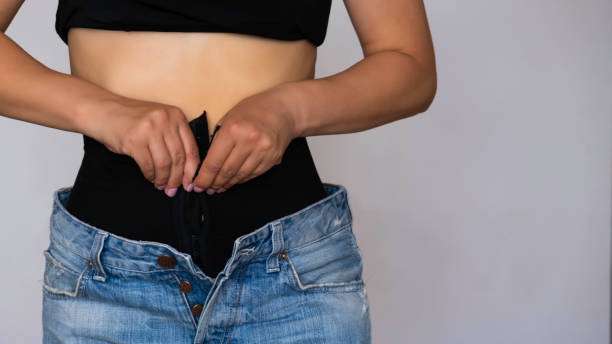
Shapewear, whether worn for the first time or for a long time, often presents the problem of edges digging into the skin. The intention is to flatter the figure and enhance the overall look, but after wearing it, noticeable marks appear at the waist, upper thighs, armpits, or back.
Sometimes, this even creates a bulge of “flesh around the edges.” This not only affects appearance but also reduces the wearing experience.
Actually, the problem of shapewear digging into the skin isn’t simply a matter of “buying the wrong size.”
It’s often directly related to the garment’s construction, edging techniques, fabric elasticity, and how well it matches the body’s curves. Below, we’ll systematically explain this issue, from structural principles to practical purchasing tips and everyday wearing techniques.
Why do shapewear pieces often have edges that dig into the skin?
Uneven pressure distribution
High-quality shapewear employs a “progressive pressure design,” meaning the pressure gradually decreases from the center towards the edges.
If the product is only high pressure overall without a transition zone, a noticeable pressure break will form at the seam—the flesh is “stopped” at the edge, resulting in marks and outward curling.
Simply put:
The middle is contracted while the edges are blocked, so it will naturally bulge.
The edging structure is too stiff or too narrow
Many entry-level shapewear pieces use narrow or regular elastic edging. These structures have limited elasticity and concentrate pressure, which can cut directly into the skin after prolonged wear.
Common edging issues include:
- Ordinary elastic edging
- Single-layer folded edge
- Narrow elastic band
- Non-elastic suture overlock
High-end shapewear typically uses:
- Wide elastic hem
- Double-layer soft edging
- Seamless hot-pressed edges
- Laser-cut edge finishing
What these structures have in common is that they distribute pressure and fit naturally.
Insufficient fabric elasticity and recovery
Many people only focus on how tight shapewear is but ignore its resilience.
If the fabric is highly elastic but recovers slowly, it will not be able to recover in time after local stretching, resulting in compression and accumulation in the edge areas.
This is especially noticeable in these locations:
- Waistline tapering
- Inner thigh opening
- Underbust edge
- Underarm junction
Shapewear with unstable elasticity often becomes increasingly constricting the more you wear it.
The design is not suitable for body curves
Shapewear from different brands varies greatly in fit; some are more straight-leg, some more hourglass, some are suitable for apple-shaped figures, and some are suitable for pear-shaped figures.
If the cut doesn’t match your body proportions, the following will occur:
- The waist fits well, but the legs are too tight.
- It fits the hips but is tight around the abdomen.
- It fits well under the chest but is tight in the back.
This type of problem is not a size issue, but rather a mismatch in the design.
I tried two shapewear pieces of the same size myself. One had almost no marks, while the other had obvious digging into my skin at the edges. I later realized that it was a difference in the cut, not a size issue.
Which areas are most prone to developing chafing around the skin?
- Waist cinching: High-waisted styles without anti-roll-up design can easily leave marks along the waistline.
- Inner thigh: One-piece suits or long-legged styles are most prone to a cropped look around the leg area.
- Upper back: If the back is not adequately wrapped or lacks elasticity, pressure lines will form at the shoulder blade area.
- Underarm area: If the side wings of a bra are too narrow, it can create “accessory breast lines.”
How to avoid shapewear edges digging into the skin?
Choose a wide-edge closing structure
Preferred choice:
- Width binding ≥ 3 cm
- Double-layer elastic edge
- Mesh buffer edge
- Hot-pressed seamless edge
Wide-sided shapewear distributes pressure more evenly and does not create “cut lines.”
Check if there is a transitional pressure relief zone.
Good shapewear doesn’t transition abruptly from high pressure to no pressure; instead, it features a gradual transition. This is typically indicated in the product description.
Look for terms like
- Gradual pressure
- Zone shaping
- Segmented weaving
- Regional pressurization
These structures can significantly reduce the amount of skin chafing at the edges.
When choosing fabrics, pay attention to their elasticity and resilience.
Don’t just look at the elasticity; pay attention to:
- Spandex content
- Rebound rate
- Multiple tensile tests
- Fatigue resistance elasticity
High-quality shapewear typically specifies multi-directional elasticity and durability tensile strength data.
Sizes should be selected using “circumference” rather than weight.
Many people base their decisions on weight, which is a common misconception.
The correct reference should be:
- Waistline
- Hip circumference
- Thigh circumference
- Underbust
For the same weight, different measurements can result in vastly different wearing effects.
Seamless or laser-cut edge models are preferred.
Seamless shapewear offers:
- No hard stitching
- Soft edges
- High fit
- Wear it as outerwear without leaving any marks
It pairs particularly well with fitted dresses or leggings.
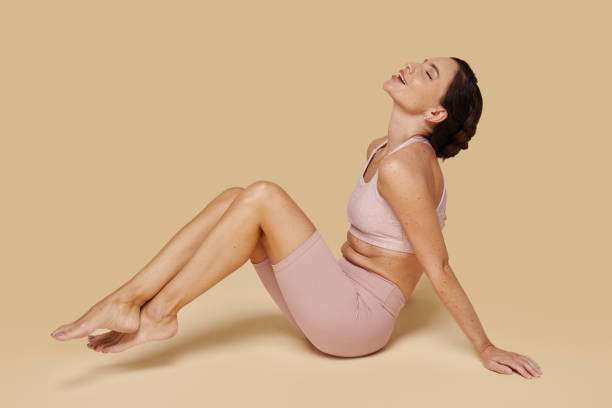
The way you wear clothes can also affect the way the skin is pressed against the edges.
Many issues with the edges digging into the skin are actually caused by incorrect wearing of the garment.
Correct way to wear it:
- Pull slowly from bottom to top.
- Organize after each section.
- Gently push the fat into the shaping area.
- The edges should be fully expanded.
- After putting it on, move around for 2-3 minutes and then adjust.
Wearing shapewear is like “getting in place”—it requires fine-tuning.
Prolonged use can also worsen the feeling of tightness around the skin.
Even with high-quality shapewear, prolonged wear can cause stress buildup at the edges.
Suggestions:
- Daily wear ≤ 8 hours
- New clothes for the first few times ≤ 4 hours
- Don’t wear it to bed
- Choose athletic shapewear for exercise
Differences in edge appearance between different styles of shapewear
| Style | Advantages | Disadvantages |
|---|---|---|
| Conjoined twins | Smooth overall surface | Can be constricting around the legs and shoulders. |
| High-waisted | Noticeably tightens the waist and abdomen. | The waistband tends to roll up and dig into the skin. |
| Short | High comfort level | Noticeable abdominal edge. |
| Long legs | Good thigh definition. | Thighs are most prone to cutting into the flesh at the calf. |
FAQ
Q1: Does the edge of the meat mean that it is too small?
Not necessarily. Often it’s a matter of the cut or binding structure, not just the size. Trying shapewear of the same size from a different brand can yield completely different results.
Q2: Is tighter shapewear always better?
No. Good shapewear is “tight in sections,” not “tight all over.” Too tight, and it will cause the edges to bunch up.
Q3: Does leaving marks mean it’s effective?
Indentation ≠ effective shaping. Truly effective shapewear features smooth lines, not indentations.
Q4: Will washing it too often make the skin more tender?
Yes. After elastic fatigue, the rebound slows down, and hard pressure zones are more likely to form at the edges.
Q5: Can I reduce the pressure on my skin by wearing a base layer?
Yes, you can. Adding a thin base layer inside shapewear can sometimes cushion edge pressure, but it will sacrifice some of the shaping effect.
Summarize:
If you’re experiencing discomfort from the fabric digging into your skin, don’t just focus on the size; pay more attention to the fit, edging, and fabric elasticity. Opt for shapewear with wide cuffs and a zoned compression design for a significantly improved wearing experience.
Check your current outfit against your current clothing situation, and if you switch to a more structurally sound shapewear piece, you’ll immediately feel the difference.