
When wearing shapewear for the first time or for a long time, many people encounter a frustrating problem: wrinkling, bunching, and curling. This not only affects appearance but also reduces comfort and can even make people wonder if there is a problem with the product quality.
In fact, in most cases, wrinkling is not caused by a single reason but is the result of a combination of factors such as size, fabric, how it is worn, and daily activities.
This system guide will break down the structure, common mistakes, usage habits, and specific solutions step by step to help you wear shapewear “correctly,” rather than just “on top.”
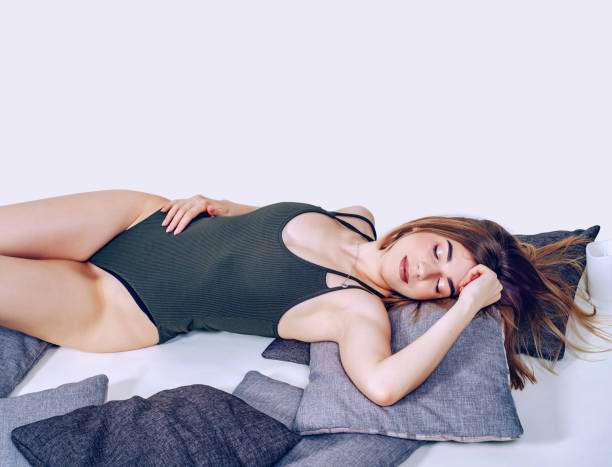
Why does shapewear wrinkle? First, understand the structural logic.
Shapewear is essentially functional clothing that uses elastic fibers and pressure zones to shape the body. It relies on the fabric’s resilience to conform to the body’s curves; if this fit is disrupted, it is prone to folding and wrinkling.
Common triggers can be divided into four categories:
- Size mismatch
- Incorrect way of wearing
- Fabric and pattern issues
- Dynamic activity impact
If any one of these aspects is not right, it may cause wrinkles when wearing the garment.
Most common cause: Incorrect size selection
Size too large
Many people worry about it being too tight and deliberately choose shapewear that’s on the larger side. The result is:
- Insufficient fit in key areas
- Looseness in the waist, abdomen, or thigh area
- The fabric cannot maintain sustained tension.
- The fabric bunches up and wrinkles when walking.
- It actually looks more uneven.
Size too small
Another extreme is deliberately choosing a smaller size, hoping for better shaping. But if it’s too tight, it can cause:
- Localized overstretching
- Uneven fabric tension distribution
- Folding zones form near high-pressure points
- The edges are easier to curl up
The right shapewear size should be “tight yet breathable,” not “so tight you can’t move.”
Wearing the wrong clothes can hide a lot of money.
Many wrinkling issues are not actually product problems, but rather problems with how the garment is worn.
The correct way to wear it is to arrange it in sections:
- Slowly pull upwards from the ankle or hem.
- Adjust the fabric after each section of upward movement.
- Use your hands to smooth out the wrinkles on both sides.
- Adjust the pressure zone to align with the body part
- Finally, perform a comprehensive check of the waist, hips, and thighs.
Many people rush through putting on shapewear by simply tucking it on, which causes the shapewear to twist internally and create wrinkles.
Once, I was in a rush and hurriedly put it on before leaving the house, only to find a ring of fine wrinkles around my legs after sitting down, which made me uncomfortable all day. After switching to segmented shaping, this problem has largely disappeared.
Fabric elasticity loss can also cause wrinkles.
Over time, the elastic fibers in shapewear will become fatigued.
- Rebound speed decreased
- Local support weakened
- The fabric cannot be evenly adhered.
- Some areas began to “collapse” and wrinkle.
Common causes include:
- High-frequency machine washing
- High-temperature drying
- Prolonged sun exposure
- Excessive pulling
Generally, the performance of functional shapewear will change significantly after 3–6 months of frequent use.
The design doesn’t match your body proportions.
Even if the size is correct, wrinkles can still occur if the cut doesn’t match your body proportions.
For example:
- Long-leg versions of this outfit create a silhouette that appears too long for shorter legs, resulting in a bunching effect above the knee.
- Short-waisted version worn on a long-waisted figure → Waist fold
- Differences in hip curves → Wrinkles on the back
- Gradient pressure design mismatch → Tension misalignment
The fit of shapewear varies greatly between different brands, which is why some people see a significant improvement when they switch to a different brand.

Dynamic wrinkling caused by activity scenarios
Shapewear that lies flat when standing still but wrinkles when sitting down is usually caused by the following reasons:
- The fabric stretching direction conflicts with the movement direction.
- Frequent large-amplitude flexion and extension movements
- Prolonged sitting compression
- The hem is squeezed by the waistband of the pants or skirt.
The solution is not to make it “tighter,” but to choose shapewear with a higher elasticity or multi-directional elastic structure.
The curling of the edges triggers a chain of wrinkles
Curling edges are often the starting point for wrinkling:
- Roll up the hem → Stack upwards
- Roll up the waist → Fold the abdomen
- Thigh roll-up → Obvious creases under the skirt
High-quality shapewear typically employs:
- Silicone anti-slip strips
- Wide-edge pressing
- Seamless edge finishing
- Widened elastic edge
Practical ways to quickly solve wrinkles
Code Selection Correction
Remeasure your bust, waist, and hip measurements, and choose shapewear according to the brand’s size chart. Do not guess sizes that are too far off.
Pre-wearing preparation
Before wearing, fully unfold the garment to ensure there is no internal twisting.
Segmented pull-up method
Groom every 5–8 centimeters.
Local leveling techniques
Push the fabric outwards from the center with your palm.
Scene matching
For sedentary environments, choose highly elastic shapewear.
Replace aging products
Replace promptly after the elasticity deteriorates.
The washing method directly affects whether wrinkles form.
Improper cleaning can cause shapewear to lose its structural stability prematurely.
Recommended method:
- Hand wash in cold water
- Press lightly to remove water
- Lay flat to dry
- Do not wring dry
- No drying
Shapewear that has been improperly washed is more likely to loosen, resulting in wrinkles when worn.
FAQ:
Q1: My new shapewear is wrinkling. Is this a quality issue?
Not necessarily. Most of the time it’s a size or wearing method issue. First, check the size, wearing steps, and fit.
Q2: Will wrinkles on shapewear affect the shaping effect?
Yes. Wrinkling indicates that the pressure distribution is disrupted, and the shaping effect will be significantly reduced.
Q3: Which is more serious, curling or wrinkling?
Curling edges are often the source of wrinkles, and edge structure issues should be addressed first.
Q4: Is it normal to get wrinkles during exercise?
Slight dynamic wrinkles are normal, but obvious stacking indicates a mismatch between elasticity and pattern.
Q5: Will even the most expensive shapewear never wrinkle?
A high price does not necessarily mean a perfect fit; the fit of the garment is more important than the price.

Conclusion:
Wearing shapewear correctly yields results thanks to three key factors: the right size, the right fit, and the right method. Wrinkles aren’t a problem; what’s problematic is consistently wearing it incorrectly and mistakenly assuming it’s a product defect.
By adjusting your sizing strategy, wearing routine, and washing method, most wrinkling issues can be significantly improved.
If you’re considering upgrading or replacing your shapewear, we recommend prioritizing styles with zoned compression designs, seamless construction, and high-resilience fabrics to reduce wrinkling and curling issues from the outset. Choosing the right product can make a world of difference in the wearing experience.