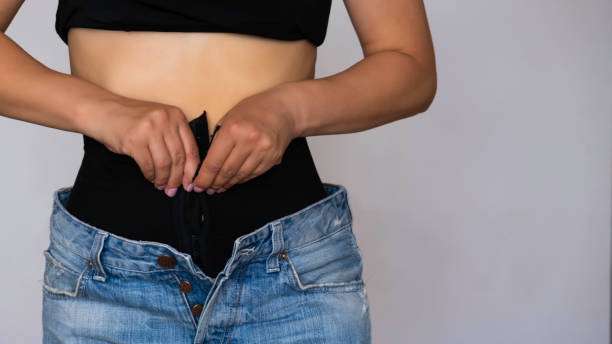
Many people focus only on size and appearance when buying shapewear, neglecting a crucial performance indicator—the stability of its elasticity. In fact, the comfort and effectiveness of shapewear largely depend on its ability to recover its elasticity. If the elasticity diminishes, not only will the shaping effect decrease, but problems such as uneven pressure, curling edges, and slipping may also occur.
This article will systematically explain:
- the core principles of elasticity
- testing methods you can do at home
- indicators during wear
- the impact of washing and care on elasticity
- when to replace your shapewear
Even without professional equipment, you can determine if your shapewear is still in “effective working condition.”
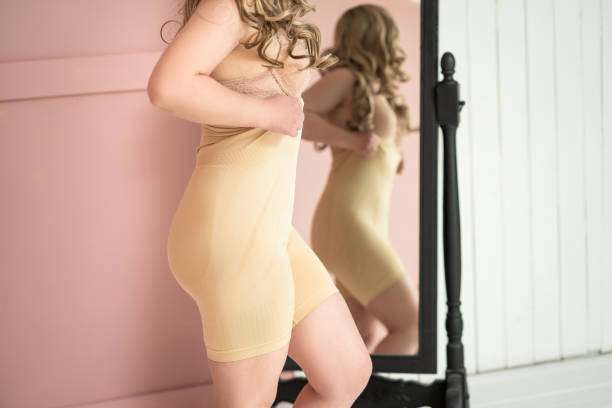
Why does elasticity determine the shaping effect?
High-quality shapewear relies on a dual mechanism of “controllable pressure + elastic rebound”:
- Provides uniform pressure distribution during stretching
- It stays in place and doesn’t sag when it rebounds.
- It can still return to its original shape after being stretched multiple times.
- There will be no imbalance of localized looseness or tightness.
Symptoms of insufficient elasticity include:
- The support in the waist and abdomen area has become softer.
- I quickly felt a lack of “confinement” after putting them on.
- Easily shifts position when walking or sitting
- The edges begin to curl
- It’s the same size, but it feels looser than when I first bought it.
I encountered this situation myself when organizing my wardrobe: two shapewear pieces that looked almost identical; one still provided noticeable support when worn, while the other felt like a regular base layer. After a simple stretch test, the difference was very obvious.
What materials are used to make the elastic structure?
Most shapewear comes from the following fiber combination:
- Spandex (Elastane)—The core source of elasticity
- Nylon – providing toughness and fit
- Polyester – Enhanced Structural Stability
- High-density woven mesh fabric—control zone pressure
- typically employs zoned weaving, with different areas having varying elasticity. This is why testing cannot be done in just one location.
5 ways to test elasticity at home
The following methods do not require instruments and are suitable for ordinary users to inspect the condition of shapewear.
Method 1: Standard Tensile Rebound Test
Step:
- Choose the main stress areas: the lower back, abdomen, or thighs.
- Stretch the fabric horizontally with both hands to approximately 1.5 times its original size.
- Hold for 5 seconds
- Release your hand and observe the rebound speed
Judgment criteria:
- 1–2 seconds rapid recovery → Good elasticity
- Slow contraction → Elasticity begins to fatigue
- Wavy or wrinkled appearance → Significant decrease in elasticity
High-quality shapewear has a crisp, clean rebound, rather than a limp, slow recovery.
Method 2: Repeated cyclic stretching test
Repeat stretching in the same position 10 times.
Observe:
- Does it become looser the more you stretch it?
- Does the length remain?
- Has it become softer?
Good shapewear can maintain close to its initial length after repeated stretching.
Method 3: Suspension Gravity Test
Suitable for inspecting the overall structure of a complete shapewear piece.
Step:
- Hang the clothes
- Lightly hang a small weight (such as a 500 g item) on the hem.
- Hanging for 1 hour
- Remove and observe if recovery occurs.
If the fiber becomes noticeably longer and cannot recover, it indicates that the elastic fiber has become fatigued.
Method 4: Regional Comparison Test
Comparison of different regions:
- waist
- abdomen
- hips
- thigh
High-quality shapewear will exhibit:
- Zone elasticity difference
- Pressure reduction structure
- Different tensile resistance
If all parts are equally soft, it indicates a decrease in overall elasticity.
Method 5: Wearing Dynamic Test
Wear it directly and perform the movements:
- squat
- bend over
- Sit down, stand up
- Going up and down stairs
Observe:
- Is there obvious displacement?
- Does it need to be repeatedly reorganized?
- Has the feeling of support disappeared?
Highly elastic shapewear maintains a close fit even during movement.
Common causes of elasticity loss
Many shapewear items are not “worn out” from wearing but rather “worn out” from washing.
Frequent occurrences may be due to:
High-temperature cleaning
Hot water can damage the structure of elastic fibers.
drying
High-temperature drying is a killer of elasticity.
wring dry
Twisting will break the elastic thread.
Washing machine heavy mode
Prolonged mechanical stretching can lead to elastic fatigue.
Long-term stretching and drying
Wet stretching is more likely to cause permanent deformation.
How to extend the lifespan of elastic materials
Proper care can extend the life of a quality shapewear piece by 6–12 months.
Suggestion:
- Hand wash in cold water
- Use a neutral detergent.
- Light-pressure dehydration
- Lay flat to dry
- Avoid prolonged exposure to direct sunlight
- Do not wash with hard objects such as jeans.
After I washed and cared for the shapewear separately, the elasticity lasted significantly longer.
When should it be replaced?
The following indicates that the shapewear has fulfilled its purpose:
- The rebound test failed
- Feeling unsupported when wearing
- Easy to curl edges
- Localized obvious laxity
- Uneven pressure distribution
- No shaping feedback after wearing
Most shapewear has an effective elasticity period of 6–12 months (depending on how often it is worn).
FAQ
Does a tight fit in new shapewear mean it has good elasticity?
Not necessarily. Tightness may come from a size that is too small, rather than from excellent elasticity. Truly good shapewear is “stretchable and quick to recover.”
Q2: Is stronger elasticity always better?
No. Shapewear requires “controllable elasticity”; too much elasticity will affect comfort and blood circulation.
Q3: Can I use steam to restore elasticity?
Not recommended. High-temperature steam may further damage elastic fibers and pose a risk to shapewear structures.
Q4: Does the frequency of wearing affect the elastic life?
Shapewear worn in rotation is more durable than a single piece used frequently.
Q5: Will machine washing always damage the elasticity?
Using a gentle cycle, a laundry bag, and cold water can reduce the risk, but hand washing is still the best way to wash shapewear.
Conclusion:
Elasticity is the core indicator of shaping effectiveness, not a dispensable additional attribute.
Simple stretch, rebound, and wear tests can determine whether a shapewear garment is still providing effective support. Instead of enduring sagging and ineffective shaping, it’s better to have it checked regularly and replaced promptly.
If you’re choosing or upgrading your shapewear, it’s recommended to prioritize styles with a high proportion of elastic fibers, a zoned pressure design, and washable construction—the comfort and performance will be more consistent. Now check out the piece you’re currently using to see if it’s still “working diligently.”