
Influenced by social media and everyday fashion culture, shapewear has transformed from a “celebrity secret weapon” on the red carpet into an item that more and more ordinary people are considering trying in their daily lives. Whether it’s to enhance one’s figure, make clothes fit better, or simply to feel more confident on important occasions, shapewear is becoming a tool for “assisting in managing one’s body image.”
But many people feel anxious when trying it for the first time:
How tight should it be? How long should I wear it? Will it be uncomfortable? Which one should I choose?
To make your first experience easier, more user-friendly, and less likely to disappoint, here are five very practical tips to give you a clear starting point before entering the world of shapewear.
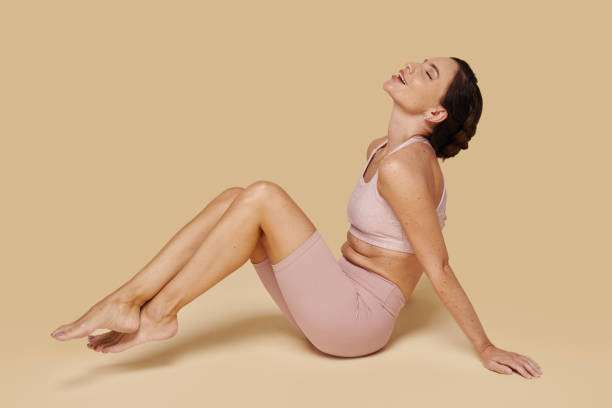
Correct size
Many people’s first misconception is that with shapewear, “the tighter, the better.” In fact, overly tight shapewear not only won’t make you look better, but it can also have the opposite effect: difficulty breathing, bloating, and even impaired blood circulation.
In North American brand sizing systems, size selection typically follows established measurement standards, including waist, hip, and bust measurements.
If you’re unsure of your size, just measure yourself—it’s the simplest and cheapest way. Returning items due to choosing the wrong size is always a common problem for beginners.
In short: Shaping is about structure, not compression.
Wearing shapewear doesn’t require you to be on point from the start.
Many beginners experience moments like “Why is it so tight?#8221; or “I can’t hold it up!” when wearing them for the first time.
Actually, this is quite normal.
Shapewear isn’t meant to torture you; it takes time for your body to adapt to its compression and coverage.
A better way to open it is
Wear it for 1-2 hours on the first day.
The second day will be extended to 3–4 hours.
Decide whether to wear it all day after a week.
This “slow and steady” approach is not only more comfortable, but it also allows you to determine which areas are truly effective and which areas are simply unsuitable.
Remember: Wearing shapewear for the first time is not an endurance race.
Wear different styles for different occasions
of shapewear for beginners is its sheer number of categories: tummy control, butt lifting, waist shaping, full body shaping, bodysuits, half-body suits… it’s enough to make your head spin.
A simple principle:
What you need to do that day → decide what style of clothing you want to wear.
For example:
For office work or daily commutes, a lightweight compression style is more suitable, keeping the body relaxed and breathable.
For important occasions or when wearing a fitted dress, opt for a more structured, high-pressure style.
For beginners: I strongly recommend starting with a lighter compression model and upgrading only after you get a feel for it.
Just like you wouldn’t start your first makeup look with a heavy smoky eye or run a marathon the first time you run.
The quality of the fabric directly determines whether your whole day is pleasant.
In the world of shapewear, materials are more important than you might think.
No matter how well-designed a piece of shapewear is, if the fabric isn’t breathable, it will make you feel like you’re wearing a plastic bag all day.
High-rated materials commonly found in the North American market include:
Elastic but not constricting nylon blend
Soft and skin-friendly cotton lining
Breathable and friendly mesh structure
These designs are intended to allow you to breathe naturally, walk normally, sit comfortably, and eat normally while wearing shapewear.
In short: If you feel uncomfortable, then it’s not suitable for you, not your problem.
Shapewear is an aid, not a miracle.
equate
“wearing shapewear” “” with “successful body shaping.” But in reality, it’s more of a “visual management tool” than a magic trick that can permanently change your body shape.
If you really want a firmer physique or to maintain it long-term, the following two things remain fundamental:
Moderate strength training (e.g., core muscle training)
Healthy eating and lifestyle habits
Shapewear can help you look more refined under your clothes and boost your confidence on special occasions, but it doesn’t need to become your dependence.
It is your tool, not your answer.
Conclusion:
Your first experience with shapewear should be relaxed, manageable, and even a little surprising, rather than frustrating or stressful. As long as you choose the right styles, start the right way, and understand its purpose, shapewear can become a helpful tool to boost your confidence.
In your future fashion journey, it will likely become a reassuring tool for enhancing your overall silhouette and may also help you better understand your body, preferences, and boundaries.