
Shapewear, as an important tool for modern women (and some men) to sculpt their bodies and boost their confidence, enjoys significantly different levels of acceptance globally. Whether used as an invisible aid in everyday wear or as a styling tool for special occasions, people’s perceptions, preferences, and frequency of use in different countries are influenced by culture, fashion trends, and social attitudes.
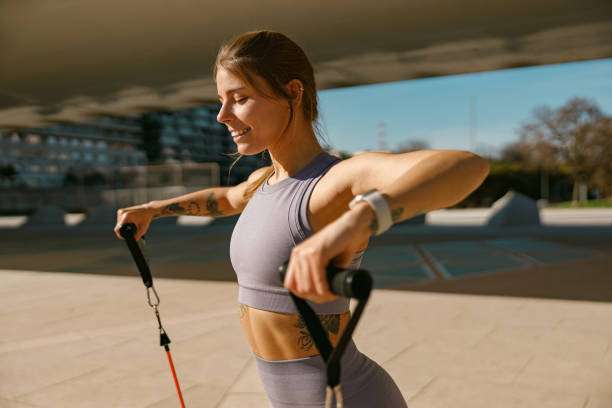
United States: Popular Culture of Everyday Wear and Self-Cultivation
In the United States, shapewear has gradually transformed from “wearing for special occasions” into a part of daily life. It is especially widely accepted among working women and young people who want to create the perfect look.
Features:
shapewear to work, dates, or parties to accentuate their waistline, hips, and bust.
Multifunctional products are popular: they not only focus on tummy control and buttock lifting but also offer comfort, breathability, and seamlessness, meeting American consumers’ needs for practicality and style.
Social media influence: Fashion bloggers on platforms such as Instagram and TikTok frequently showcase shapewear outfits, promoting the popularization of culture.
Cultural background:
The United States emphasizes personal image and self-image, viewing them as tools to “enhance confidence and aesthetics,” rather than simply as a means of restricting the body.
Japan and South Korea: A fusion of meticulousness, lightness, and everyday style.
In East Asian countries such as Japan and South Korea, shapewear is positioned as “everyday light shaping” or “formal aid,” emphasizing comfort, naturalness, and subtle shaping effects.
Features:
Lightweight styles are popular: they emphasize comfort and invisibility and are often used under work clothes, dresses, or professional attire.
Clear functional segmentation: In the Japanese and Korean markets, shapewear is segmented for different parts of the body, such as the abdomen, waistline, hips, and legs, and consumers tend to choose targeted products.
Combining everyday wear with seasonal changes: Breathable summer styles and warm winter styles, both emphasizing a close fit and natural feel.
Cultural background:
The aesthetics of “humility and modesty” in East Asian culture have influenced the design of shapewear: instead of pursuing exaggerated compression effects, it naturally embellishes the body, making the body lines soft and smooth.
Europe: Fashion-Driven Approach Balanced with Comfort
In Europe, the acceptance of shapewear varies by country and region. In Western Europe (such as France and Italy), where fashion consciousness is strong, shapewear is mainly used as a styling tool, while in Northern Europe (such as Sweden and Denmark), comfort and health are emphasized.
Features:
France and Italy: Focus on high-end fashion and dress shaping; shapewear is considered an essential accessory for formal wear or evening styling.
Nordic countries: They prioritize functionality and comfort, wear shapewear less frequently, and focus more on natural curves and health.
Material and Design Innovation: European brands typically emphasize breathable, environmentally friendly materials and ergonomic designs.
Cultural background:
Europe emphasizes quality of life and comfort and does not pursue extreme tightness but rather balances aesthetics and wearing experience.
Middle East and Latin America: Aesthetic Culture Influences Dressing Habits
In the Middle East and Latin America, the use of shapewear is strongly influenced by aesthetic culture and social customs.
Middle East:
Conservative clothing culture: Often used for formal wear or special occasions, not commonly worn in daily life.
Emphasizing curves: In home or social settings, shapewear helps women create defined curves such as a waistline and lifted buttocks.
Latin America:
A love for curves: Women in countries like Brazil and Argentina value their body curves and wear shapewear frequently.
Social and party culture: seen as a tool to boost appearance confidence and social charm.
Key factors for acceptance
By observing different countries, we can summarize several key factors influencing the acceptance of shapewear:
Culture and Aesthetic Concepts
Emphasizing a natural, understated cultural trend, lightweight and invisible designs
A cultural trend emphasizing curves and sex appeal, high-pressure, revealing styles
Social customs and clothing styles
Regions where formal work attire or dresses are more prevalent are more accepting of shapewear.
In areas where everyday casual wear is the norm, the wearing rate is low.
Fashion Trends and Media Promotion
Social media and celebrity influence drive the popularization of shapewear culture
Fashion magazines and designer collaborations increase brand awareness.
Comfort and Materials Technology
Elastic fabrics, breathable materials, and lightweight designs are more likely to be accepted.
Material and wearing experience directly influence purchasing intentions.
Conclusion:
Overall, the acceptance of shapewear varies significantly across the world: North America and Latin America tend to favor everyday and social occasions; East Asia emphasizes lightweight, invisible, and comfortable features; Europe highlights fashion and quality of life; and the Middle East primarily uses it for formal wear and special occasions.
No matter which country you are in, choosing the right style, comfortable fabric, and the correct size are key to boosting your confidence and achieving a better figure.
Want to try different styles of shapewear? Browse the latest global best-selling styles and choose the perfect shapewear for you to make you feel confident every day!