
Shapewear has become an important tool for many women in modern life to boost their confidence and optimize their figure. However, the body condition, muscle tone, skin elasticity, and health status vary across different age groups, so targeted advice is needed when choosing and wearing shapewear .
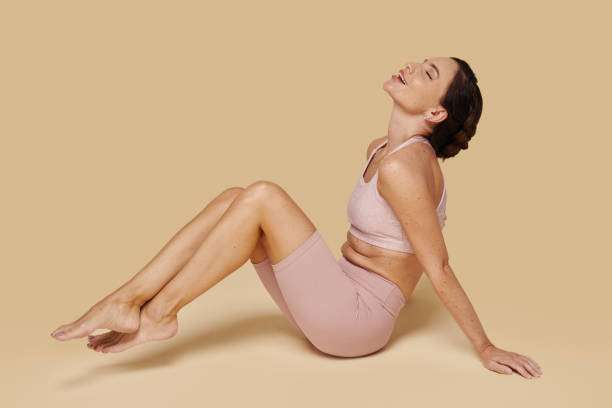
Young woman (20 years old): Focus on shaping, with an emphasis on comfort.
Women around 20 years old typically have relatively toned bodies with good muscle elasticity and skin recovery capabilities. At this age, wearing shapewear is more about adjusting the overall look and creating a more defined silhouette, rather than correcting obvious body flaws.
Wearing recommendations
Choose light compression shapewear : lightweight and breathable styles can meet your daily wear needs and avoid being too tight, which can cause discomfort in breathing or blood circulation.
Focus on material comfort: Use breathable and elastic nylon, spandex, or Lycra fabrics to reduce friction on the skin.
Avoid wearing for extended periods: While the body’s recovery ability is strong at 20 years old, wearing for extended periods may still cause local pressure marks or slight discomfort. It is recommended to wear it for no more than 4-6 hours at a time.
shapewear with gentle compression for the waist and abdomen and lifting for the buttocks , for everyday wear or specific occasions, to create a more streamlined figure.
Precautions
Since young women generally have good body shape, there is no need for excessive compression or the use of high-intensity shapewear , which could otherwise affect breathing and exercise comfort.
Students or working professionals can choose detachable shoulder straps or lightweight styles for convenient daily activities.
Middle-aged women (30 years old): Refining their figure while taking health into consideration.
Around the age of 30, women begin to experience slight fat accumulation or decreased skin elasticity, especially in the waist, abdomen, hips, and thighs. Wearing shapewear at this stage can not only help with shaping but also improve posture, but health and safety are equally important.
Wearing recommendations
Choose medium-compression shapewear : slightly tighter than styles for younger women, but still comfortable, avoiding excessive restriction.
Focus on functional design: Choose styles with abdominal tightening, back support, or buttock lifting features to improve posture problems caused by prolonged sitting or work.
Appropriate wearing time: It is recommended to wear it for 6-8 hours a day. If it is worn for too long, you still need to take breaks to avoid affecting blood circulation.
Pay attention to accurate sizing: The waist-to-hip ratio of women in their 30s may begin to change, so make sure that shapewear fits the body curves and avoids marks.
Precautions
Busy women should choose shapewear that allows for easy movement and is made of soft materials to avoid putting extra strain on their shoulders, neck, or back.
Shapewear can be used in conjunction with light exercise and diet management. It is just an auxiliary tool and cannot replace healthy lifestyle habits in the long term.
Mature women (50 years old): Health first, comfort as the main focus
Around the age of 50, women’s bodies gradually experience muscle relaxation, changes in fat distribution, and decreased skin elasticity. At this time, the focus of wearing shapewear shifts from simple shaping to health support and a comfortable experience.
Wearing recommendations
Choose low-compression, loose-fitting shapewear : avoid excessive compression of the waist, abdomen, or chest to prevent affecting blood circulation or breathing.
Focus on support and comfort: Choose styles with back support, mild abdominal tightening, or lumbar support to improve posture and reduce spinal strain.
Shorten the wearing time: It is advisable to wear it for 4-6 hours a day. Wearing it for a long time may cause discomfort.
Choose materials that are soft and breathable: avoid nylon or heavy compression materials, as these may exacerbate stuffiness or skin irritation.
Precautions
Avoid tight or high-intensity shapewear , especially for women with high blood pressure, heart disease, or circulatory problems; health and safety should be the top priority.
Shapewear can be used in conjunction with light exercise, yoga, or Pilates to aid in shaping. It is an auxiliary tool, not the only means.
For issues like sagging breasts or loose abdomen, it is recommended to choose styles with breast support or light abdominal support, rather than styles with strong binding.
General tips for wearing shapewear at different ages
Accurately measure your body size: Regardless of age, choosing the right size is the first step to comfortable wear.
Wear it in stages: For the first attempt, wear it for 1-2 hours, and gradually increase the wearing time as you get used to it.
Take care to protect your skin: Keep your skin dry before wearing to avoid friction that may cause discomfort or redness.
Take a break promptly: Remove the garment after wearing it for an extended period to avoid continuous pressure.
Choose a style suitable for the occasion: everyday light shaping, formal occasions, or sports support, depending on your needs.
Conclusion
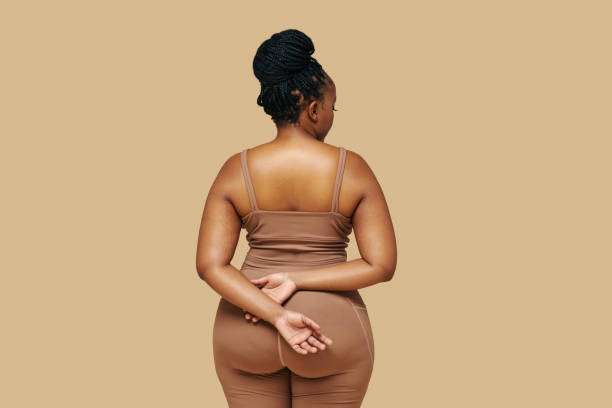
Women of different ages should choose appropriate styles and compression levels when wearing shapewear based on their physical condition, body shape, and health needs. Women in their 20s can focus on light shaping and comfort; women in their 30s can consider both shaping and health; and women in their 50s should prioritize comfort and support, avoiding excessive compression.
Wearing shapewear correctly can not only improve your figure and posture but also boost your confidence, but remember that health and comfort should always come first. By understanding age-related differences, you can choose shapewear scientifically to achieve a balance between beauty and health.