
Shapewear is an essential shaping item in modern women’s wardrobes. Besides its core function of tightening the waist and abdomen, the design of the shoulder straps is also a crucial factor affecting comfort and the user experience. Many people tend to overlook the design of the shoulder straps when choosing or wearing shapewear, but it actually directly determines shoulder comfort, posture adjustment, and the overall shaping effect.
shapewear shoulder strap design, including strap width, material, adjustability, support, and design details. It will also provide practical references based on personal experience.

Shoulder strap width: a balance between comfort and support
Shoulder strap width is the most obvious factor in shapewear shoulder strap design.
Wide shoulder straps:
Wide shoulder straps can effectively distribute shoulder pressure and prevent shoulder pain and marks after wearing them for a long time. For women with more upper body fat, wide shoulder straps can also increase support and prevent the shoulders from slipping down.
Narrow shoulder straps:
Narrow shoulder straps look lighter and more fashionable, especially suitable for wearing off-the-shoulder or tank top clothes, but they have relatively low support, and the straps are prone to slipping off after wearing them for a long time.
The first time I tried high-pressure shapewear, the shoulder straps were too narrow, and I had noticeable marks on my shoulders after wearing it for less than half an hour. Later, I switched to a style with wider shoulder straps, which not only made my shoulders more comfortable but also provided a more stable overall shaping effect.
Shoulder strap material: a balance of softness and durability
Shapewear shoulder straps directly affect comfort and lifespan. Common materials include:
Elastic fabrics, such as spandex blends, are soft and elastic and can conform to the body according to the shoulder line.
Thickened webbing: Increases support, but may feel slightly tight; choose according to personal comfort.
Seamless design materials: reduce friction and indentations, enhancing the wearing experience over extended periods.
The material used for shoulder straps should not only be soft but also durable and resilient. Inferior materials are prone to stretching and deformation, causing the shoulder straps to slip or lose support.
Adjustable shoulder straps: Fits like a custom fit
Adjustable shoulder straps are an important feature in shapewear shoulder strap design, directly affecting the fit and shaping effect.
Adjustment methods commonly include sliding buckles, fasteners, or Velcro.
Adjustment range: The shoulder strap length can be freely adjusted according to individual shoulder width, height, and chest position.
Advantages:
Prevent shoulder straps from slipping
Improve support
It is easy to adjust the comfort level according to different clothing combinations.
Experience sharing: Some shapewear straps are not adjustable, and I found that after wearing them a few times, the straps slipped down significantly, greatly reducing their effectiveness. Adjustable strap styles, on the other hand, allow for easy adjustment, greatly improving the wearing experience.
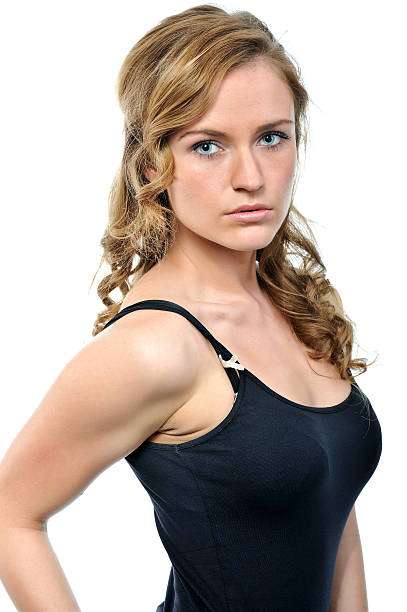
Shoulder strap support: the core of comfort and shaping
The support of the shoulder straps not only determines shoulder comfort but also affects the shaping effect on the chest and upper back.
Insufficient shoulder strap support: The shoulders tend to slip down, the chest cannot be effectively supported, and the shaping effect is weakened.
Excessive shoulder strap support: Increases the burden on the shoulders and can cause tightness when worn for extended periods.
When choosing shoulder straps, it is recommended to select a design that provides support without digging into your shoulders, based on your body shape and chest size. Generally speaking, a medium width, elastic material, and adjustable shoulder straps are the most practical combination.
Shoulder strap design details: A balance of aesthetics and practicality
Besides width, material, and support, the details of shoulder strap design also affect the wearing experience:
Shoulder strap shape:
Straight shoulder straps: a traditional style that suits most body types.
Y-shaped or cross-shaped design: Increases stability and prevents slippage.
Detachable shoulder straps: adaptable to different clothing styles, convenient for wearing as outerwear.
The shoulder straps are connected to the shapewear body.
Suture fixation: secure but not adjustable
Hook and loop type: detachable, easy to clean and change.
Seamless or smooth joints: reduce friction and marks and improve comfort during long-term wear.
Experience sharing: I once tried shapewear with padded shoulder straps. Even after sitting in the office for a long time, I didn’t experience any shoulder pressure marks, and the comfort was significantly improved.
Practical tips for choosing shapewear shoulder straps
Measure your shoulder width and chest circumference: Ensure the shoulder strap length fits your body shape.
Try on different widths and materials: experience comfort and support
Pay attention to shoulder strap design and clothing matching: detachable or invisible shoulder straps offer more flexibility.
Choose reputable brands: Materials and workmanship are more reliable, shoulder straps are durable, and support is stable.

Conclusion
The shoulder strap design may seem like a small detail in shapewear, but it actually directly affects wearing comfort and shaping effect. Choosing the right shoulder strap width, material, adjustability, and support can not only allow shapewear to achieve its best effect but also prevent shoulder pain, marks, and slippage.
shapewear that’s both comfortable and effective in shaping, pay attention to the shoulder strap design. Choose styles with moderate width, soft material, adjustability, and balanced support.
Click here to view a selection of shapewear styles. The shoulder straps are scientifically designed for comfort, allowing you to maintain an elegant posture and perfect curves even after wearing them for extended periods.