
The color choice for shapewear isn’t just about aesthetics; it’s also a sophisticated decision based on functionality, visual psychology, and contextual needs. Of all the colors, nude (beige) and black are the most popular, representing two distinct shaping strategies and psychological implications.
Nude shapewear: invisible, harmonious and everyday
The psychological and functional core of nude shapewear is invisible and “integration”.
1. Color Psychology and Function: The Pursuit of a Seamless “Second Skin”
| Dimensions | Features | Psychological suggestion/function |
| Functional | Invisible and traceless | Nude colors are designed to match the wearer’s skin tone, minimizing color contrast between shapewear and skin or outerwear. |
| psychology | Low-key and harmonious | You don’t want your shapewear to be noticeable. It represents the wearer’s absolute control over their outer garments, and the shaping effect is natural and unnoticeable. |
| Visual Effects | Value Matching | Nude is the best “value” match when wearing light-colored, sheer, or white outerwear because it doesn’t show obvious shadows or colors when the light shines through. |
Best use case (function-driven)
Light-colored outerwear (white, beige, pale pink): Nude is the only option.
Sheer fabrics: Suitable for fabrics such as silk, chiffon, lace or light cotton.
I recently wore a perfectly tailored white dress to an outdoor luncheon. I opted for a black bodycon, thinking it would enhance the slimming effect. However, in the intense midday sun, the outline and color of the black bodycon clearly showed through the white dress, especially at the seams and gathered edges.
That day, I had to wear a coat the entire time, which was very embarrassing. Since then, I firmly believe that choosing a nude-colored shapewear that is closest to your skin tone under light-colored or thin clothing is the only way to go. It can completely solve the problem of sheer color and exposure.
Wedding dresses and evening gowns: Choose safe colors that will not show under photographic lighting.
Black Shapewear: Shape, Confidence, and Outerwear
The psychological and functional core of black shapewear is to highlight and appear thinner.
Color psychology and function: emphasizing strength and line
| Dimensions | Features | Psychological suggestion/function |
| Functional | Visually slim | Black has a strong sense of contraction and can use color psychology to enhance the shaping effect. It can perfectly hide small textures or uneven places under the fabric. |
| psychology | Strength and confidence | Black is a timeless, classic color that symbolizes elegance, power, and control. The wearer may be more concerned with how they feel than with the appearance of invisibility. |
| Visual Effects | Contrast and superposition | Black blends perfectly with dark outerwear, and even if it’s accidentally revealed, it will be seen as a fashionable inner layer or part of the outfit. |
Best Use Cases (Style-Driven)
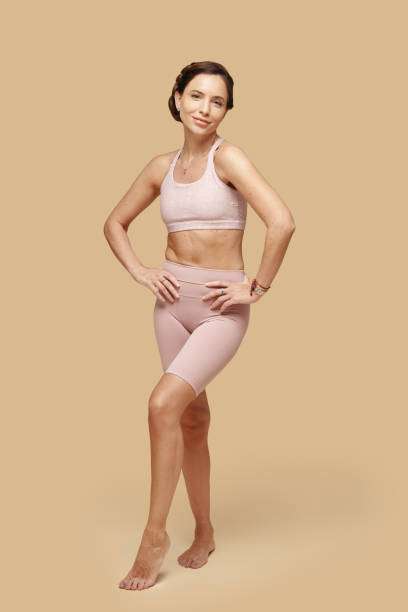
Dark outerwear (black, navy, dark grey): Black shapewear is the most logical match.
As inner/outer wear: As shapewear designs become more and more fashionable, black shapewear is often used as a base layer or as tights to wear outside.
When maximum slimming is required: Black’s natural shrinking properties make it the first choice for “visual weight management”.
When I wear a thick black velvet evening gown, I always opt for a black shapewear. While nude can also create invisibility, the psychological implications of black shapewear are completely different. Black shapewear feels like it’s tightened and defined more firmly, as if it’s part of the gown’s structure, providing a stronger “battle suit” effect. Furthermore, at night and in low-light conditions, black’s powerful visual compression makes me appear even slimmer in front of the camera, a boost of confidence that nude can’t provide.
Summary and comparison of scenario differences
| feature | Nude Shapewear | Black body shaper (Black) |
| Core Purpose | Invisible, traceless, blends into the skin | Slim, shape, confidence, style |
| Applicable outerwear color | Light colors (white, beige, pink), thin and transparent fabrics | Dark colors (black, gray, navy), heavy fabrics |
| Applicable occasions | Weddings, studio shoots, formal luncheons, and other occasions requiring absolute invisibility | Suitable for night events, parties, as a fashionable inner wear, and occasions that require strong visual contraction |
| Personal Psychology | Pragmatic, low-key, natural (don’t want to be noticed) | Confidence, control, elegance (improves the sense of battle clothes) |
| Risk of Goofing | Very low (but pay attention to skin color matching) | High (barely concealed under light-colored clothing) |
Summarize:
For both functional and psychological reasons, you need at least two colors in your wardrobe: a nude shade that blends perfectly with your skin tone (for light-colored clothing) and a classic black (for dark-colored clothing) to ensure that your body shaping can achieve the best effect and psychological state no matter what the occasion or what kind of clothing you wear.