
For fashionistas striving for a perfect silhouette, shapewear is a wardrobe secret weapon. Thong-style shapewear, with its seamless, smooth, and lifting effect, has become an essential inner layer when paired with fitted skirts or high-waisted trousers. However, this pursuit of perfect lines often faces a significant challenge in the hot summer: comfort.
To provide sufficient compression and shaping, shapewear must use high-density, highly elastic fabrics, which often results in the chest and torso areas becoming a stuffy, sweaty “sauna.” Traditional double-layered fabrics have poor heat dissipation, causing this sense of refinement to crumble instantly under high temperatures.
The root cause of the stuffiness: the heat trap of high-density compression fabrics.
To understand the value of mesh fabric, you must first understand why shapewear tends to feel stuffy.
To achieve a powerful smoothing and shaping effect, thong shapewear typically uses a high-compression elastic fabric blended with a high proportion of spandex and nylon. While this fabric provides perfect support and a snug fit, it also acts like a thick “insulating layer.”
Heat buildup: Tight fabric structures make it difficult for heat to dissipate from the body surface.
Moisture retention: Sweat cannot evaporate quickly and instead gets trapped between the fabric and the skin, causing a sticky feeling and the body odor and discomfort that are characteristic of summer.
Solution: Microclimate regulation through breathable mesh
The chest area, as a key area for heat accumulation, can be transformed into a localized “microclimate” through the use of strategically designed breathable mesh fabric.
Mesh fabrics, with their unique porous structure, greatly increase the surface area of the fabric in contact with air, achieving two core functions:
Active heat dissipation: Allows heat accumulated on the body surface to be quickly expelled through pores.
Accelerate evaporation: Allows sweat to come into contact with the outside air, accelerating evaporation and keeping the skin dry.
How to overcome the stickiness of summer shapewear
I used to be the kind of “hardcore bodybuilder” who would endure the sweltering heat of summer for the sake of appearance. But once, I attended an outdoor wedding wearing full-body shapewear, and it was a disaster. During a break, I practically “ripped” the garment off; the sweat and stickiness on my chest and back instantly shattered any semblance of elegance.
“Until I switched to a shapewear garment with a mesh design on the chest.” I discovered that with this “breathable window,” the core heat in my chest was effectively released. That stuffy, sticky, and panicked feeling disappeared. This made me realize that shapewear shouldn’t turn us into sealed sculptures but rather into intelligent, breathing silhouettes.
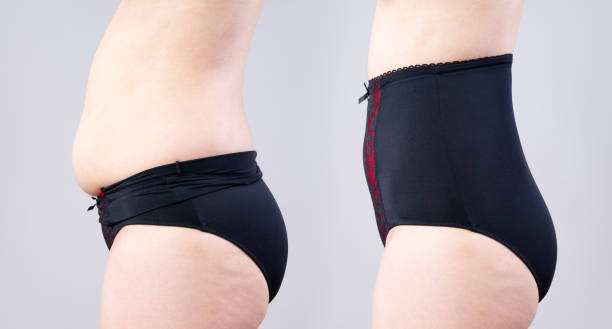
The design philosophy of mesh fabric: functionality and aesthetics coexist.
The breathable mesh fabric at the chest is not randomly added but rather a carefully designed engineering detail. It reflects the ultimate pursuit of user comfort in modern functional clothing.
1. Strategic Zoning: Targeting High-Heat Areas
This type of mesh fabric is typically placed in areas with the highest concentration of heat and sweat glands, such as the lower edge of the chest, sides, or back. It doesn’t use mesh all over the body (that would sacrifice shaping and support), but rather creates “breathing channels” only in the areas where heat dissipation is most important.
2. The Wisdom of Materials: Balancing Lightness and Support
High-quality breathable mesh fabrics often use ultra-fine denier nylon or high-tech polyester fibers, ensuring that while being lightweight and breathable, they still maintain sufficient elasticity and resilience, preventing deformation or loss of support in the chest area due to stretching. This scientific balance of materials is key to wearing seamless shapewear in summer.
IV. More Than Just Coolness: The Deeper Benefits of Breathable Mesh
Introducing breathable mesh fabric into shapewear offers benefits far beyond simply providing “coolness.”
Eliminate stickiness: Rapid moisture evaporation eliminates the stickiness and constriction that make shapewear most annoying in summer.
Skin health: Sweat and heat buildup are common causes of summer skin discomfort, folliculitis, or heat rash. Breathable mesh fabrics significantly reduce these health risks by keeping skin dry.
Extend the lifespan of your garment: The salt and acidic substances in sweat can corrode elastic fibers such as spandex. Quick-drying properties help protect the fabric fibers, extending the lifespan of your shapewear and making your investment more worthwhile.
In conclusion:
The revolution of summer thong shapewear lies not in its enhanced shaping effect but in the optimization of its internal comfort structure. The breathable mesh fabric in the chest area is a prime example of bringing industrial-grade functional fabric design into everyday fashion.
Have you ever had to give up your favorite shapewear because of the sweltering heat? Which summer items do you think should best incorporate this functional design? Feel free to share your thoughts in the comments!