
Whether you’re after that long-lost “goal dress” or hoping to regain your confident curves after childbirth, shapewear is no longer the suffocating tights in your wardrobe.
In 2025, modern shapewear, incorporating advanced materials science and ergonomic design, has become a sophisticated, functional garment. No longer simply designed to constrict, it repositions body fat and muscle through precise compression and support, reshaping and stabilizing your figure. However, with the myriad materials, deniers, and styles available, choosing a shapewear that’s truly comfortable, effective, and worth the investment can be a daunting task.
This guide will peel back the layers for you, from the microscopic world of materials to the macroscopic effects of functions, and teach you how to choose shapewear like a professional, so that it can truly become your right-hand man in achieving your body goals.
Fabric Science: Balancing Comfort and Sculpting
The soul of shapewear lies in its fabric. A good shapewear must provide sufficient compression while allowing the skin to breathe freely.
Highly elastic fiber: the horsepower of pressure
The strength of the shaping effect mainly depends on the elasticity and density of the fabric, which is usually measured in denier.
Main materials: Nylon, polyester, and Lycra. Lycra is known for its excellent stretch and resilience, making it a core component of high-quality shapewear.
Golden Rule: Don’t chase the highest denier! If your shapewear causes pain or difficulty breathing, you won’t wear it long enough for it to be effective (typically 6-8 hours a day). Moderate compression that you can wear for extended periods is the true force.
I once had a friend who, convinced that tighter is better, ended up wearing a 600-denier shapewear to work and had to take it off before lunch because she felt suffocated. The lesson: moderation is king.
Breathable and comfortable: fighting against heat torture
Especially for people living in warm or humid areas, breathability is the key to continued wear.
Technical fabrics: Look for technical fabrics that wick moisture away from your skin, such as Coolplus or similar breathable fabrics. These materials are lightweight and breathable, effectively reducing the feeling of stuffiness and preventing rashes or discomfort.
Memory and skin-friendly: Some modern shapewear uses a memory weave that claims to adapt to your body’s contours and can even be worn 24 hours a day. If you’re a beginner or have sensitive skin, be sure to check for hypoallergenic and safe fabrics, especially those that use eco-friendly dyes and are certified to baby-safe standards.
Special supports: the secret of structure
In addition to basic fabrics, some designs incorporate structural support elements.
Soft Boning: This is typically implanted in the lumbar or back area. This provides additional support, not only enhancing the waist and abdominal tightening effect but also helping to correct posture, which is particularly important for those who often sit and look down at their desks (what we call the “Millennial Hump”).
Functional breakdown: Shapewear is not a magic weight loss pill
We need to dispel a common myth: Shapewear doesn’t help you lose weight. It’s about sculpting, not reducing fat. But it can do more than you might think.
| Core Requirements | How is body shaping clothing achieved? | Ideal crowd portrait |
| Hourglass | The three-dimensional cutting and multi-stage pressure design guide the flowing fat to the ideal position, effectively tightening the abdomen, lifting the hips, and improving the waist-to-hip ratio. | Those who seek to improve body proportions and create a tight-fitting effect. |
| Postpartum | The material is safe, breathable and thin, gently and stably supporting the abdomen, helping the uterus return to its original position and stabilizing the core muscles. | Mothers who are recovering from childbirth. |
| Posture | Anti-hunchback steel frame or back reinforcement support design forces the back to be straightened and relieves back pressure. | People who work at a desk for long periods of time, have slight hunchback or cervical fatigue. |
| Supplementary diet | Some high-rise shapewear provides a slight stomach-binding function, which can physically remind you to control your food intake. | Those who hope to use external reminders to help control overeating habits. |
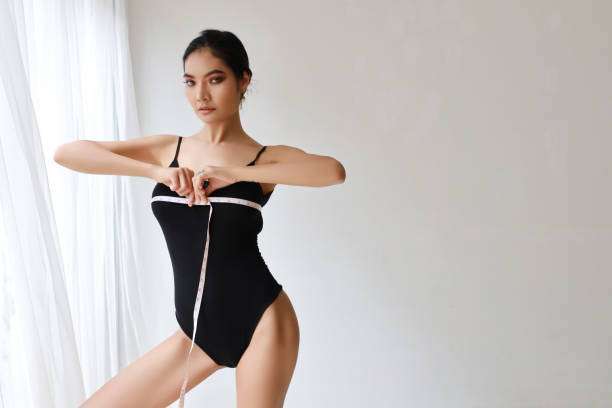
Practical purchase: style, size and convenience considerations
When buying shapewear, just like buying a custom suit, the devil is in the details.
Size and strength: fit is your first priority
Shapewear is not a one-size-fits-all or “smaller is better” product.
Get the right size: Be sure to take your exact measurements (bust, waist, and hips) and refer to the brand’s size chart. Look for brands that offer made-to-measure fittings or free lifetime size adjustments—the latter being especially important for women whose bodies continue to change after childbirth.
Avoid excessive constriction: Excessive constriction is not only uncomfortable but can also restrict blood circulation, affect lymphatic drainage, and even lead to health problems. If you experience numbness, tingling, or difficulty breathing, change the size immediately.
Style selection: full body or partial?
Full Bodysuit: Ideal for those seeking a comprehensive sculpting experience. This one-piece suit simultaneously covers the waist, back, hips, and legs, providing the most stable pressure distribution.
Slimming/High-Rise Pants: Targeted tummy definition, hip lift, and thigh lift. Choose styles with seamless edges or a cicada wing weave to ensure you don’t have awkward marks or hems under your underwear.
Decisive factor: toilet convenience
This is the number one reason many people give up wearing shapewear – “Going to the bathroom is too much of a hassle!”
A must-have feature of modern shapewear is a button-down bottom. Whether it’s buttoned or zipped, it allows you to use the restroom without removing the garment. This seemingly small feature is crucial to your long-term wear and the continued effectiveness of your shapewear. I’ve experienced this firsthand; when I first bought shapewear without this feature, I almost gave up. It wasn’t until I switched to a style with an opening that I truly incorporated it into my daily routine and saw the results.
Conclusion: Return on Investment for Shapewear
In 2025, shapewear has become a functional “second skin.” It needs to be more than a one-time impulse purchase, but a thoughtful investment based on an understanding of your needs, material science, and wearability.
Remember: you are not buying a temporary “body constrictor,” but a “posture coach” that will provide stable support during your body reshaping journey.
Are you ready to say goodbye to that old, once-used shapewear in your closet? Share in the comments below: What do you prioritize most when choosing shapewear? Comfort or firmness? Let’s explore how to invest wisely to get the most out of your shapewear.