
It’s a common dilemma for modern women: You look at a complicated size guide and find yourself perfectly stuck between two sizes—a medium waist and a large hip, for example. This leaves you caught between a rock and a hard place.
Do you seek the ultimate in sculpting, risking a smaller size? Or do you settle for comfort and health, opting for a larger size? This double anxiety stemming from sizing myths often turns shapewear, which should bring confidence, into a source of stress.
This article will unravel the science behind shapewear’s “compression therapy” and reveal a stylist-inspired sizing tip: the body wisdom of the “one large, one small” rule. It’s not just about size; it’s about your health, effectiveness, and whether you can truly wear it all day with confidence.
The Paradox of the Straitjacket: The Boundary Between Scientific Oppression and Self-Destruction
Shapewear isn’t magic; it works on the principles of compression therapy. By providing targeted pressure, it redistributes soft tissue, giving you an instantly smoother silhouette and helping you improve your posture.
The price of greed: why tighter doesn’t mean more beautiful
This is a common sizing myth and the biggest trap: many people believe they have to size down to “squeeze” better results.
Years ago, I insisted on buying a body-shaping bodysuit a size too small to fit into a dress. The results were immediate, but there was a price to pay: I not only felt like I was being entangled by a python throughout the party, but I also had to leave early because my breathing was restricted. After I got home, the red marks on my abdomen and ribs remained for days. It turns out that excessive compression can impair circulation and breathing, and can even cause digestive problems.
The opposite effect of appearance: Extreme tightness will only make the edges of the tights – such as the thighs or waist – create bulges that are more unsightly than the original fat, perfectly destroying the smooth lines you are pursuing.
Key Principle: Shapewear must fit snugly, but never cause irritation or make you feel “trapped” when you bend over, sit down, or take a deep breath.
Ending Anxiety: Two Big and Small Laws of Body Wisdom
When you’re in that awkward position of being between sizes, a stylist’s advice is: Don’t look at the size chart; look at your body’s reaction areas.
Strategy 1: When Your Core Is More Vulnerable
If your waist or chest (i.e. core torso) is the main factor limiting your size, and your hips are relatively loose, prioritize the next size up (L).
Core Rationale: The waist and chest are key pathways for the digestive organs, respiratory system, and lymphatic system. These areas have a very low tolerance for pressure. Excessive pressure can cause discomfort after meals, hinder deep breathing, and even cause acid reflux.
My friend always says, “I can handle my thighs and lower abdomen, but I can’t tell a complete joke if my ribcage and waist are constricted.” She tends to size up to allow her core to breathe freely.
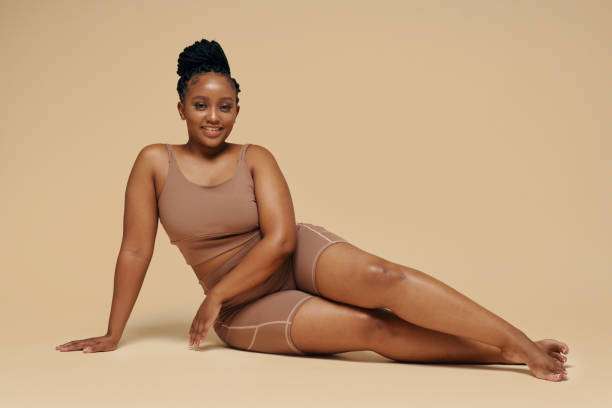
Strategy 2: When your lower body is fuller
If your waist fits a medium, but your hip or thigh measurements put you between medium and large, you might prefer to size down (a medium).
Core rationale: The buttocks and thighs are relatively densely packed with fat and muscle tissue, making them more tolerant of pressure. These areas require contouring and lifting, rather than the “life support” of the torso.
Rule of thumb: Your torso is key to a corset’s support and anti-bending properties. If you choose a large size to cater to your lower body, your waist might not be snug enough, causing the corset to roll up like a disobedient girdle when you sit down—the most frustrating experience for any corset wearer.
Practical application: customized options for daily and special occasions
A. Everyday Wear vs. Special Occasions
When you’re struggling with the sizing myth, ask yourself, “How well does this dress wear?#8221;
| Purpose positioning | Wearing duration and frequency | Size Tips |
| Daily (commuting/office) | More than 6 hours | Comfort must be prioritized (preferably a size larger) to ensure blood circulation is not affected. |
| Special occasions (weddings/parties) | 2-4 hours | Minor discomfort (preferring a smaller size) is acceptable for optimal appearance. |
B. Choose wisely: Don’t be misled by style
Even with the size guide, there are still differences between styles:
High Waist Shaping Shorts: As the abdomen is the core, the size should be tilted towards the waist for comfort (size up).
Thigh shaping pants/leg sleeves: Since the focus is on leg shaping, the size can be inclined towards thigh shaping (choose smaller) as long as it does not hinder movement.
Conclusion and reflection:
Sizing your shapewear isn’t a cold, mathematical calculation, but a balancing act based on body shape, health, and purpose.
The secret to ending size myths is to learn to listen to your body’s most sensitive areas.
Considering your core comfort first will ensure a sustainable balance between your health and toning results. After all, the best compression garments are the ones you feel confident in wearing, not the ones you constantly worry about taking off. Remember, a compression garment that fits perfectly is far better than one that feels like a size too small.
Now it’s your turn: Have you ever been “punished” by shapewear? When you’re between medium and large, does your body tell you which size to choose?