
Anyone who’s worn high-waisted body-shaping shorts knows a common nightmare: You’ve put together a perfectly crafted outfit, confidently stepped out the door, but the first time you sit down, stand up, or even take a deep breath—that pesky waistband starts to curl and slide down.
Imagine you’re in an important meeting or on a date, only to have to secretly and unsightly “roll” the edge of your shapewear back into place. Not only is this experience embarrassing, it completely destroys the smoothness and confidence that shapewear is supposed to bring.
That’s where the anti-roll silicone band comes in. This seemingly insignificant detail is a crucial innovation in modern shapewear design. It’s more than just a way to prevent the garment from sliding down; it’s a meticulously designed ergonomic solution designed to provide all-day comfort, gentle support, and ensure your shape remains flawless.
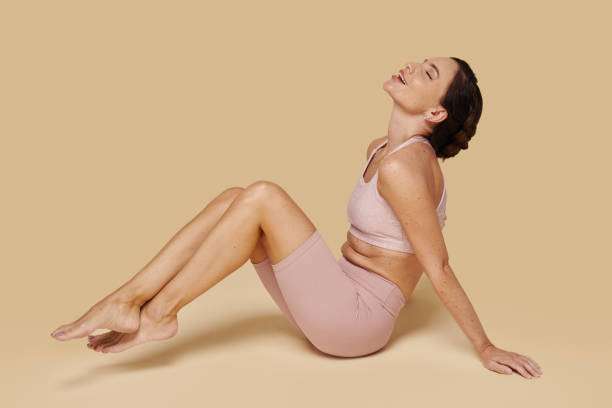
The pain of curling the hem of body shapers: Why do they always refuse to obey?
To understand why silicone bands work, we first need to understand why high-waisted shapewear tends to curl. This isn’t your fault; it’s a result of physics and body movement.
The body’s natural movement and stress concentration
Shapewear shorts typically cover the waist, abdomen, and back, aiming to firm and smooth the core. However, when the body bends, twists, or sits, the garment fabric is subjected to significant vertical pressure and horizontal shear forces at the waistline.
Vertical pressure: When you sit down, the skin and tissue in your abdomen are compressed and will try to push the waist edge of the shapewear upwards.
Horizontal shear force: When you stand up or bend over, the stretching and rebounding force of the fabric and the friction with the skin generate shear force.
If the waistband fabric isn’t stiff enough or doesn’t have a secure anchor point, it will naturally roll or curl in the direction of least resistance—downward.
Blind spot of traditional design: lack of flexible grip
Early corsets relied on either excessive tightness or rigid skeleton support, but lacked a solution that could provide flexibility and friction.

The Secret of Silicone Bands: Gentle Friction Anchor Points
The anti-roll silicone band is usually located on the inside of the upper edge of high-waisted shapewear shorts. It is a smooth or textured elastic silicone strip. It works by cleverly utilizing friction.
Stability Lock: Create an invisible anchor point
The main function of the silicone belt is to act as a high friction medium between clothing and skin.
Friction grip: When the silicone belt contacts the skin, it will generate moderate “grip”, which is similar to the grip of a tire. This friction is much greater than the friction between the fabric and the skin.
Distribute stress: When you sit or bend, the silicone band resists the tendency of the fabric to roll down, distributing the pressure generated by movement evenly across the entire circle of silicone, rather than concentrating it in a small spot. It provides an invisible anchor point, firmly fixing the waistband in the golden position against your skin.
My “bending test”: I remember the first time I tried on this shapewear with silicone bands, I deliberately bent over like I’d tie a shoe. In the past, that would have caused any high-waisted shapewear to slide down two inches. But this time, it just stretched slightly with my body and snapped back into place when I released it. I thought, this is magic!
All-day comfort and gentle support
Unlike a rigid built-in skeleton, the silicone band provides gentle yet continuous support, which is essential for all-day wear.
Avoid indentations: High-quality silicone bands are usually designed as thin and wide strips, or even with wavy patterns or dot distribution to ensure air circulation and pressure distribution. They will not leave deep indentations on the skin like overly tight elastic bands.
Like a second skin: The inherent elasticity of silicone allows it to move with the body’s natural stretch. My good friend,
A wedding planner who often needs to stand for long periods of time once praised: “Since I changed to this, I almost forgot that I was wearing a body shaper until I didn’t feel the ‘squeeze marks’ at the end of the day.”
Shopping Guide: How to judge the quality of silicone belts?
Not all shapewear with anti-slip strips is created equal. Here are some details to keep in mind when choosing:
| characteristic | High-quality design | Warning signal |
| width | Wider (at least half an inch) to distribute pressure. | Narrow single or double lines can easily cause indentations. |
| Texture | Features wavy, dotted or alternating textures for enhanced breathability. | A completely smooth, thick strip of silicone that can cause sweating and discomfort. |
| Material | Flexible, stretchy medical-grade silicone. | It looks like hard plastic or cheap rubber and feels rough. |
In conclusion
The anti-roll silicone band is a major leap forward in the evolution of shapewear. It transforms shapewear from a “torture device worn on special occasions” to a truly everyday garment that provides all-day, every-day comfort and support.
This tiny, hidden silicone band at the waist not only solves the embarrassing hem problem, but more importantly, it frees your body and mind, freeing you from the constant worry of whether your clothes fit properly. This is true “quiet beauty”—the effect is all due to technology, not sacrificing comfort.
Have you ever struggled with curling on your shapewear? How has your experience with shapewear changed since you discovered silicone bands? Share your “curling-free” secrets in the comments!