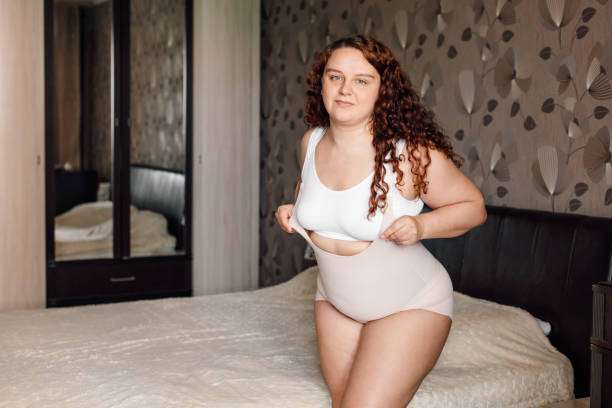
When first encountering shapewear, many people have certain expectations: hoping for smoother lines, better-looking clothes, and improved posture.
But the reality is often—
Why is it a little tight? Why do I feel uncomfortable sitting down? Is it not suitable for me?
If you’ve had similar experiences, please rest assured: most discomfort doesn’t mean you made the wrong choice, nor does it mean you’re unsuitable.
In this article, we’ll start with real user experiences and explain the most common discomforts when wearing shapewear for the first time, their causes, and gentler ways to deal with them.
One of the most common discomforts is tightness, but you can’t quite put your finger on what’s wrong.
For many people wearing them for the first time, the most immediate feeling is that they are tight.
But this tightness is often not “squeezing and painful,” but rather a feeling of being wrapped up that you’ve never experienced before. Especially in the waist, abdomen, lower back, and sides, you will clearly feel that you are being “supported.”
This is because your body is adapting to external support rather than relying entirely on muscles to maintain posture.
The first time I wore shapewear, it was fine when I was standing, but as soon as I sat down, I couldn’t help but secretly pull the edges. Later I realized that it wasn’t a problem with the product, but that I had been sitting for too long without giving my body any time to adjust.
Recommendations:
- For first-time wearers, try to limit continuous use to 2-4 hours.
- Don’t jump directly from “not wearing it all day” to “wearing it all day.”
- Sit down and stand up slowly to give your body time to adjust.
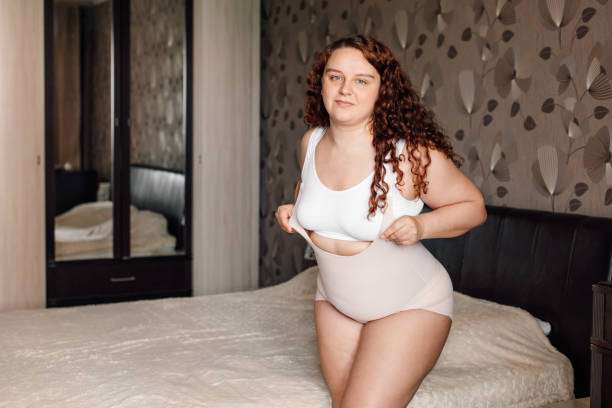
Feeling pressure in the lower back and abdomen is actually the most easily misunderstood signal.
Many people worry, “Won’t it be unhealthy to have this pressure on my stomach?#8221;
In fact, mild pressure does not necessarily mean internal organ compression. What we really need to be wary of are the following situations:
- Breathing became noticeably shallower
- Persistent abdominal bloating and pain
- Stomach discomfort, acid reflux
If you only feel your abdomen being “reminded to tighten,” then it’s more like a posture guide.
Many people sit for long periods of time with their chests hunched over, and their core is in a relaxed state for a long time. When they are suddenly supported, they will naturally feel uncomfortable.
Recommendations:
- Wear it 30–60 minutes after eating.
- Avoid wearing clothes immediately after eating.
- If the pressure is concentrated in the upper abdomen, check if the size or fit is too short.
Shapewear feels uncomfortable while sitting, but that doesn’t mean you can’t wear it.
“Standing is fine, but sitting is uncomfortable” is the question we get asked most often backstage.
There are usually three reasons:
- The first time wearing shapewear, the body hasn’t yet established “postural memory.”
- Incorrect sitting posture (slouching, leaning forward).
- Wearing clothes for too long without any movement.
I later discovered that as long as I slightly adjusted the angle of my pelvis and shifted my center of gravity back a little when I sat down, the discomfort would be significantly reduced.
Recommendations:
- Stand up straight before sitting down, then slowly sit down.
- Get up and move around every 40–60 minutes.
- Avoid slouching on the sofa or in a low chair for extended periods of time.
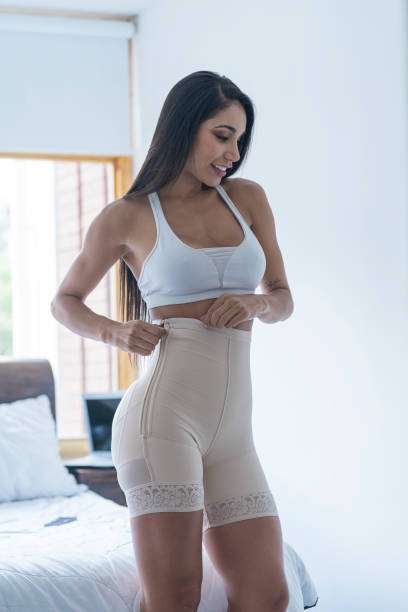
Skin warmth and slight sweating are actually quite common.
Many people who wear it for the first time say, “It feels hotter than usual.”
This is because of shapewear:
- Increased coverage reduces airflow.
- More concentrated local blood circulation.
As long as it’s not stuffy, itchy, or stinging, it’s usually a normal reaction during the adaptation period.
Recommendations:
- Choose a style with better breathability initially.
- Avoid wearing it in high temperatures or for extended periods outdoors.
- Take it off as soon as you get home to allow your skin to relax.
Psychological discomfort is often overlooked, but it is very important.
Some discomfort is not actually physical but psychological.
For example:
- Wouldn’t that look strange?
- Will others notice that I’m wearing it?
- Is it only necessary if you lack self-confidence?
These thoughts are especially common when wearing it for the first time.
But you’ll gradually realize that shapewear is more like a functional, close-fitting garment, like a sports bra or compression socks—it’s about making your body feel more comfortable, not about negating yourself. You’re not trying to change yourself, but rather to make yourself more comfortable in life.
What discomfort should prompt you to stop wearing it immediately?
While most discomfort is normal, it is not recommended to tough it out in the following situations:
- Obvious difficulty breathing
- Numbness in limbs
- Persistent pain or dizziness
- Obvious marks and broken skin on the skin
If these situations occur, it is very likely that:
- Size not right
- The pressure level is too high.
- Incorrect way of wearing
At this time, please prioritize your body’s feelings.
FAQ:
Q: Do I have to endure the discomfort when wearing shapewear for the first time for it to be effective?
A: No. The truly suitable wearing experience is “supportive but not painful.” Enduring discomfort will not bring better results.
Q2: How long should I wear it each day?
A: For the first 1-2 weeks, it is recommended to start with 2-4 hours and gradually adjust according to your body’s adaptation.
Q3: Is it okay to wear shapewear to bed?
A: It’s generally not recommended, as the body needs to be completely relaxed during sleep.
Q4: Do I need to consciously pull in my stomach when wearing shapewear?
A: No, you don’t need to consciously exert any force. Just breathe naturally and stand naturally.
Q5: How long does it take for discomfort from wearing shapewear to disappear?
A: Most people experience significant improvement within 3–7 days, provided that the wearing method and duration are appropriate.
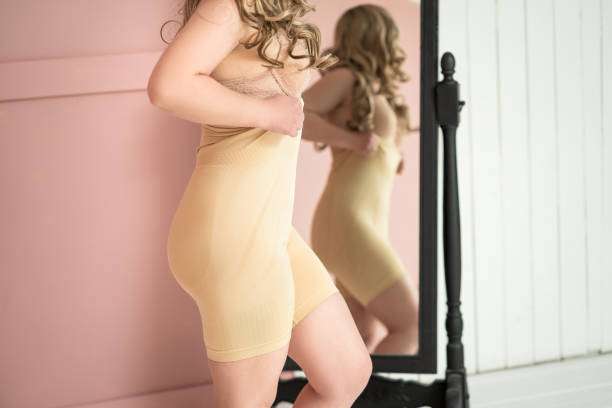
Summarize:
Shapewear for the first time—you don’t need to be perfect or get used to it immediately.
Your body needs time, and your mind needs space. Slow down, be gentle, and you’ll understand better what suits you best.
Before making a choice, take a closer look at the material, size description, and real-life wear feedback, prioritizing comfort and everyday versatility for shapewear. The piece best suited for long-term wear is often not the “most aggressive-looking,” but rather the one that makes you forget it’s even there.