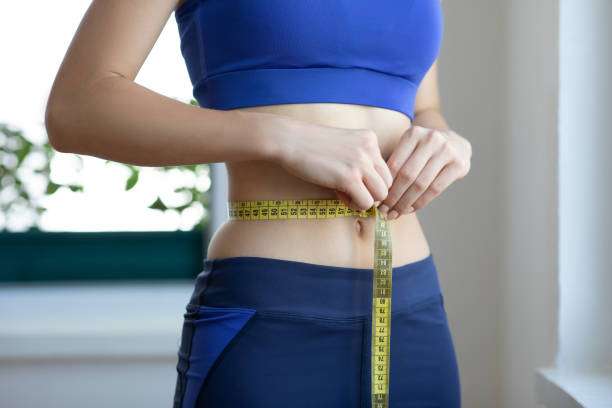
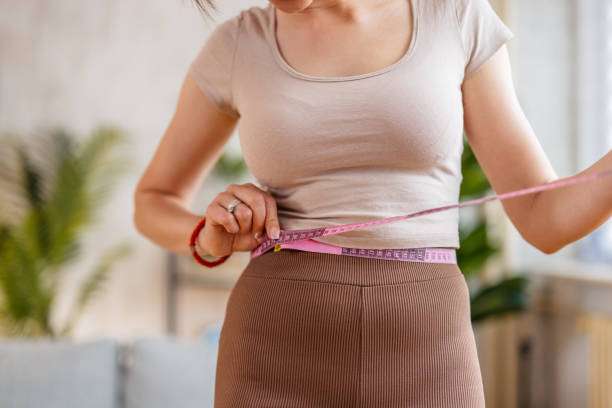
Many people who try shapewear for the first time harbor a secret yet genuine expectation: “Just by wearing it, it should make me thinner.” But the reality is often that after wearing it for a few weeks, they don’t seem to see any changes in the mirror; some may even start to wonder, “Is the product faulty?#8221; Have I been misled by exaggerated advertising?
In reality, most of the time, the problem isn’t with the product itself but with our understanding of shaping.
Why do you feel that wearing it has no effect?
Let me start with a very common scenario. The first time I tried shapewear was during a period of prolonged sitting and irregular sleep patterns. For the first few days after wearing it, I did feel my waist and abdomen tighten, but after a few weeks, when I took it off and looked in the mirror, I found that my figure hadn’t changed significantly. At the time, I subconsciously thought, “Did I buy the wrong thing?#8221; Later, I realized that my expectations for this type of product were inherently flawed.
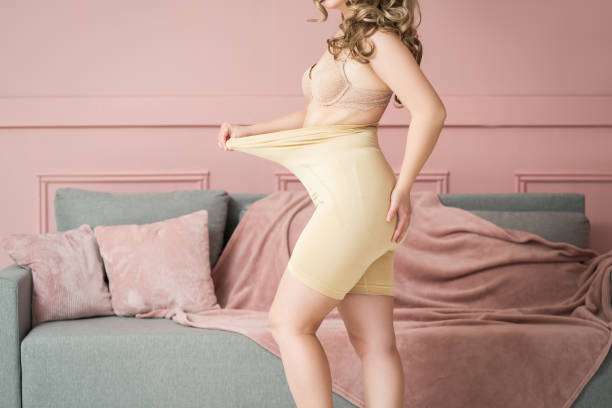
Myth 1: Equating the effect of wearing clothes with long-term changes
This is the most common and easiest pitfall to fall into with shapewear.
The core function of shaping products is not to directly help you lose fat, but rather to provide external support and pressure.
- Shapewear enhances body lines.
- Remind your body to maintain better posture
- Reduce the feeling of fat and soft tissue spreading outwards
If you’re expecting to lose weight in a few days and not experience any rebound after taking it off, then disappointment is almost inevitable.
Shapewear is more of an auxiliary tool than a “result-making machine.”
Myth 2: Wearing the wrong size but thinking it’s ineffective
Many people instinctively choose a smaller size when buying for the first time.
The reasoning is simple: “The tighter it is, the more obvious the effect will be.” But the reality is quite the opposite.
Too small a size often leads to:
- Excessive local pressure can cause fat to be squeezed into unwanted areas.
- Wearing time forced to be shortened
- Breathing is restricted, and the body naturally resists wearing it for extended periods.
The result is that you don’t wear it long enough or consistently enough, so you naturally won’t feel any change. Truly suitable shapewear isn’t about making you “endure” it but about allowing you to wear it consistently in your daily life.
Myth 3: Wearing it at the wrong time and in the wrong setting
Many people only wear it when they “need to look thinner,” for example:
- Going out to party
- Photograph
- Important occasions
However, they don’t wear it at home, in the office, or when they sit for long periods of time.
In this way, it only serves the purpose of “instant embellishment” without participating in your actual life situation.
If you only wear it for one or two hours a day, your body simply doesn’t have time to develop any habitual feedback.
What are the prerequisites for shaping to truly work?
To be frank, which may not be very “pleasing,”
No external tool can replace changes in the body itself.
But it can amplify the right things you’re already doing.
Shapewear becomes much more pronounced when the following conditions are met simultaneously:
- Relatively stable work and rest schedule
Long-term sleep deprivation, edema, and hormonal imbalances can all lead to a looser body shape. - Sitting for long periods but consciously adjusting posture
External support can remind you to tuck in your stomach and straighten your back, but only if you are willing to cooperate. - Avoid excessive and uncontrolled eating habits.
It’s not a get-out-of-jail-free card that says, “It’s okay to eat as much as you want.”
I only really felt the difference after adjusting my posture and slightly controlling the amount of food I ate at dinner.
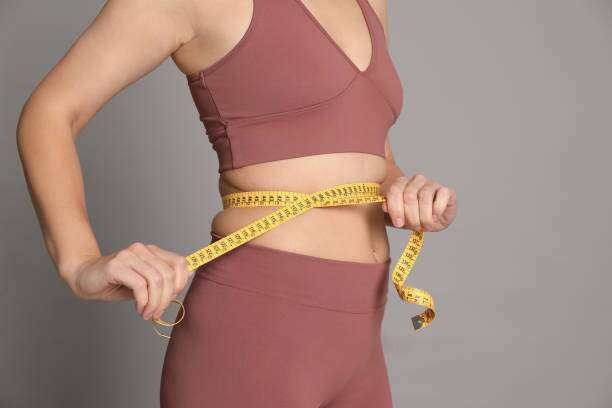
Does shapewear look good on others?
You may have had this confusion: others give great feedback
on the same shapewear, but you don’t feel any difference.
The reason often lies not in the product itself, but in these differences:
- Different physical foundations (fat distribution, muscle mass)
- Different wearing durations
- Different definitions of “effect”
Some people pursue “the figure they look like the moment they put it on.”
while others look forward to “the changes after they take it off.”
If the goals are not aligned, the experience will naturally be much worse.
Who is shapewear truly suitable for?
It is more suitable for the following groups of people:
- To improve body shape, not just to pursue weight changes.
- People who sit at a desk for long periods and are prone to slouching
- People who need external support after childbirth or during periods of body shape change
- People who want a more streamlined and clean look in their everyday outfits
If you understand this, the user experience will be much better.
FAQ:
Q1: How long should I wear it each day?
A: It is generally recommended to start with 4-6 hours and gradually adjust according to comfort, rather than wearing it all day from the beginning.
Q2: Can I wear it to bed?
A: Unless it is specially designed sleepwear, it is not recommended. The body needs to be completely relaxed when resting.
Q3: Is it normal for it to feel a little tight when wearing it?
A: It’s normal to feel a sense of being wrapped up, but if you experience significant pressure pain or breathing discomfort, you need to adjust the size.
Q4: How long will it take to see changes?
A: Immediate effects are immediate, but long-term changes usually require adjustments to your sleep schedule and habits, taking at least several weeks.
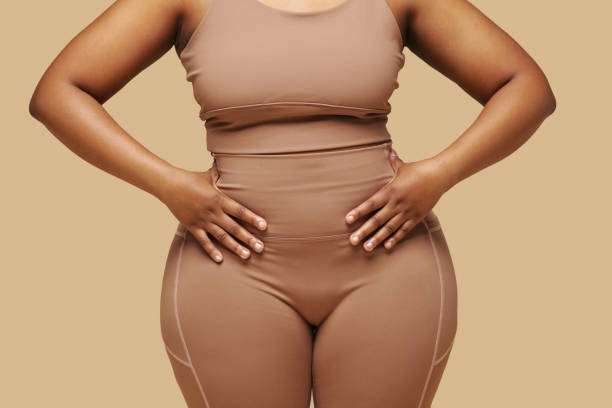
Summarize:
When you lower your expectations to a more rational level, they are more likely to realize their value. If you’re planning to seriously choose a shapewear piece that’s truly suitable for everyday wear, it’s recommended to start with comfort, design, and long-term wear feedback, rather than just looking at how “tight it is.” Choosing a
Shapewear style that you’re willing to wear every day and can comfortably wear is often closer to the result you want than any exaggerated advertising.