
Shapewear is a powerful ally in the modern wardrobe. Originally designed as a functional tool, it helps us present our best physique on specific occasions or serves as support during postpartum recovery. It promises instant optimization and a boost in confidence.
However, for many, this functional wearable has gradually evolved into a psychological dependence. They find that once they take off their shapewear, they experience not only visual loss but also intense anxiety and a crisis of self-identity.
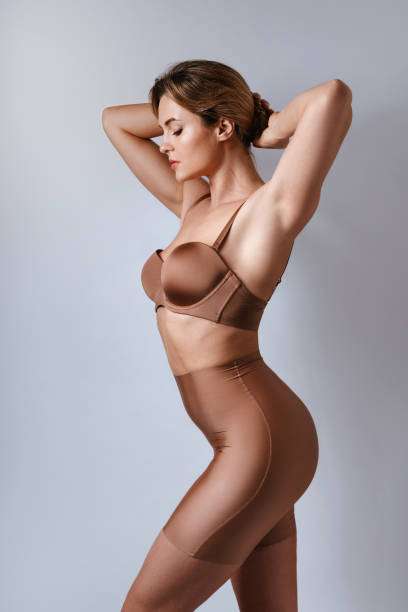
Shapewear: Why do we choose it? Before discussing wear dependence, we must first affirm the core benefits and functional value that make it so popular:
Shapewear’s three core functional advantages are instant body shaping and visual smoothing: These are the most direct benefits of shapewear. By applying even pressure to areas such as the abdomen, waist, and thighs through highly elastic fabric, it instantly tightens lines, smooths out cellulite, and effectively solves the embarrassment of clothing marks and protruding fat. Under fitted or custom-made clothing, it ensures a smooth and perfect appearance.
Back support and posture assistance: A onesie or high-waisted shapewear can provide light to moderate support for the core muscles, especially the back. For those who need to stand for long periods or require slight posture improvement, this support can help straighten the back and reduce fatigue.
Postpartum Recovery and Body Anchoring: For postpartum women, a professional is an important functional tool to help with uterine repositioning and recovery from diastasis recti. It provides a safe, external “hug,” helping the body feel anchored and reducing postpartum emptiness.
In short, shapewear is a highly effective dressing optimization tool that can give you an undeniable advantage in physique and boost your confidence at certain times.
From functional to psychological dependence: How does the shift happen?
Why would a tool with such powerful functional advantages evolve into a second skin that some people can’t shed? This transformation is gradual and insidious.
Instant dopamine circuit provided by
Shapewear provides an immediate and visible improvement. This immediate effect activates the brain’s reward circuitry, making you associate wearing it with “feeling good.”
Social reinforcement: When you receive compliments from those around you after wearing shapewear, this positive social feedback further reinforces your dependence on it. You begin to believe that only the functional advantages provided by can earn you these affirmations.
Wearing Dependence: The Development of Nudity Anxiety As is worn for longer periods, your body perception begins to become distorted.
The sense of loss upon taking it off: You begin to regard the “optimized physique” provided byas your normal state. Once you take it off and face your “real” body in the mirror, you will experience a strong sense of loss, anxiety, and even shame.
A shift in self-efficacy: You no longer believe in the power of your own body and instead believe that shapewear is the controller of your posture. This shift in self-efficacy is a core marker of the formation of psychological dependence.
Coping with Wearable Dependence: A Psychological Reconstruction from Restraint to Freedom
Getting rid of psychological dependence on requires a gradual, self-accepting psychological reconstruction process.
Redefining the functional role of shapewear
Contextual Restriction Principle: Clearly define the intended use case for shapewear . Wear it only when special attire is required, not as everyday underwear. Treat it as an accessory, not an everyday necessity.
Body anchoring method: When wearing shapewear, remind yourself that the pressure is artificially added. When you feel good, attribute this confidence to your inner strength, rather than the physical shaping provided by the self.
Psychological Reconstruction: Embracing the Imperfections of the Body
Set a “de-shapewear” schedule. Choose one day a week to go without and allow your body to breathe freely. Then gradually increase the number of days you don’t wear shapewear.
Find alternative support: If you rely on them for back support or a sense of security, try using sports compression garments (which focus more on health support) or high-quality sports bras instead. Replace stressful shaping with healthy functionality.
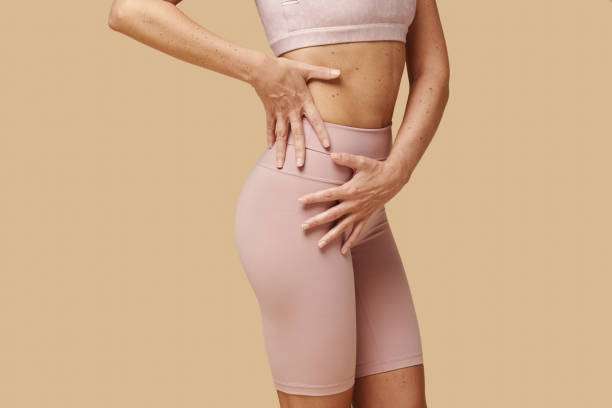
In conclusion:
Shapewear is a modern ally, and its functional advantages are undeniable. But we must remain vigilant: when functional tools begin to dominate your sense of self-worth, it’s time to sound the alarm.
Your body, whether or not it has the functional support of , deserves to be respected and displayed with confidence. Learn to support yourself with the power of health and self-love; this is stronger and more enduring than any high-intensity shapewear.
Take action now: When is your body’s “free day”?