
When you zip up your shapewear or fasten the buttons, you not only change your physical dimensions, but you also trigger a series of chemical reactions and psychological mechanisms in your brain. Within seconds, you appear flatter and more toned in the mirror; this instant visual and tactile feedback is incredibly powerful.
On a cultural level, we often debate whether shapewear represents women’s liberation or a new form of oppression. But from a psychological perspective, its impact is far more complex than just underwear. It touches upon our core anxieties: body image and self-perception.
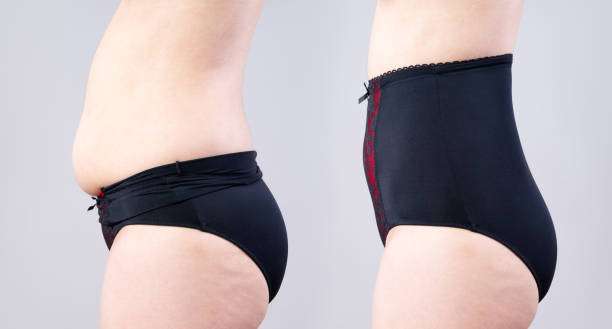
Immediate feedback—the power of posture and psychological suggestion
shapewear is that it provides an undeniable embodied experience.
The Body’s “Power Posture”: The Role of Embodied Cognition. Psychologists believe that body posture and feelings can influence our thoughts and emotions, a phenomenon known as embodied cognition.
The chemical changes brought about by forced correction: A good piece of shapewear, especially one with cross-back support, will force you to straighten your chest and pull in your stomach, improving a hunched posture. As demonstrated by the research of social psychologist Amy Cuddy, this “power posture” can alter our hormonal balance, helping to lower the stress hormone cortisol and increase testosterone levels, which are associated with confidence.
The sense of control derived from proprioception: The changes in proprioception caused by the compression of the body are a deep and continuous feedback of pressure. It makes one feel more compact and controlled. This sense of physical control over the body subconsciously translates into psychological confidence and stability.
Bypassing the anxiety-inducing quick-win effect, we all know that true body shape improvement requires months or even years of effort. Shapewear offers a clever psychological shortcut.
In the long and frustrating journey of weight loss, shapewear provides a positive psychological boost for quick success. This immediate and visible improvement in appearance can significantly enhance your self-efficacy, making you believe that you can manage your body through effort. It’s a temporary yet effective confidence booster.
Psychological Armament in Social Environments
Shapewear is closely related to our anxieties about social scrutiny and our ideal body image.
Narrowing the gap between our ideal self and our real self: Our inner mental health largely depends on the gap between our real self and our ideal self. The greater the gap, the deeper the anxiety.
Shapewear acts like a temporary, wearable filter, physically reshaping the appearance to temporarily reduce the gap. This visual “consistency” can bring deep psychological satisfaction and comfort, significantly reducing your self-consciousness in public.
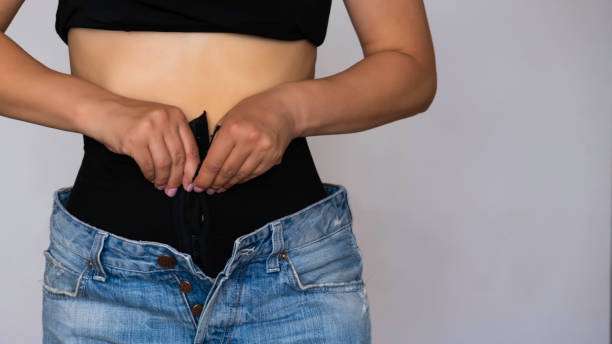
Shifting focus from physical imperfections to social performance: In high-pressure social situations such as job interviews, weddings, or important business meetings, we face the pressure of being scrutinized. The value of shapewear lies in its ability to act as your psychological armor.
By smoothing out excess fat and eliminating bra lines, it helps you eliminate potential “external distractions.” Once you stop worrying about whether your stomach protrudes or your sides are flat, your focus can completely shift from “physical imperfections” to “social interaction, expression, and communication.” This psychological liberation and empowerment is the ultimate secret to shapewear’s ability to boost confidence.
From Dependence to Acceptance: A Healthy User Mindset
Despite the powerful functionality of shapewear, we need to acknowledge the psychological risks it poses: over-reliance.
regarding “shapewear dependency” and fragile self-psychology,if confidence is entirely situational and externally driven, it can lead to shapewear dependency.
“My confidence comes from my clothes and accessories, not my body itself.” Once this dependence forms, the “reality backlash” that follows, once the shapewear is removed, can bring deeper and more intense anxiety and self-criticism. This kind of confidence is a castle built on sand, not true self-acceptance.
Embracing a “function-first” approach rather than an “identity-first” one, the secret to success lies in redefining your purpose for wearing shapewear. It only works positively when viewed as a functional tool, not a permanent substitute for self-identity.
Health purpose: To help postpartum core muscle recovery, assist in posture correction, or provide seamless support when wearing certain clothing.
Psychological purpose: As a temporary confidence booster, it allows you to enter social situations fearlessly at crucial moments.
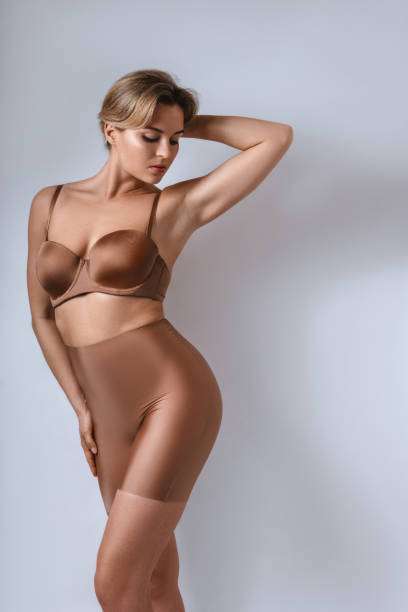
In conclusion:
Shapewear is a powerful tool provided by modern technology. It cleverly utilizes psychological principles to offer instant physical and emotional boosts. It allows you to stand taller and feel better on important days.
However, true strength and lasting happiness must come from understanding, respecting, and ultimately accepting your body when you take off your shapewear. It can be your secret weapon, but it should never be armor you’re afraid to take off.
Do you think the confidence gained from wearing shapewear is a fleeting “illusion,” or can it translate into a lasting driving force for a positive lifestyle? Share your thoughts below!