
Does shapewear help with anterior pelvic tilt? The truth you need to know.
With the fast pace of life and increased sedentary time, many women are starting to pay attention to posture issues, with anterior pelvic tilt being a common concern. Anterior pelvic tilt not only affects the waistline but can also lead to lower back pain, sagging buttocks, and other problems. As a result, some people are beginning to try using shapewear to improve their posture.
So, can shapewear really correct anterior pelvic tilt? Let’s explore this together.

What is anterior pelvic tilt?
Anterior pelvic tilt is a postural problem where the pelvis tilts forward, increasing the curvature of the lumbar spine. This postural problem may originate from:
- Prolonged sitting leads to weak core muscles
- Abdominal muscle relaxation
- Tight gluteus maximus and lower back muscles
- Poor recovery after pregnancy or childbirth
Anterior pelvic tilt not only affects appearance but can also cause lower back pain and increased strain on the hips and legs. Many women worry that they have anterior pelvic tilt when they see an overly protruding lower back or sagging buttocks in the mirror.
Its role in improving body posture
Shapewear primarily uses a close-fitting design to provide support to the abdomen, waist, and hips, thereby helping to shape the body. Its effects on anterior pelvic tilt are mainly in the following ways:
- Shapewear provides external support, tightening the abdomen and waist, creating pressure, and giving the pelvis a slight “lifting” sensation. It helps with short-term posture adjustments, such as making it easier to keep the back straight when standing or walking.
- The posture reminder: You’ll naturally pay attention to your posture because the lower back is slightly compressed, and excessive forward tilting will be uncomfortable. This “posture reminder” is gentler than direct correction and is very effective in initially improving anterior pelvic tilt.
- The effects are better when combined with exercise: if shapewear is used alone, the effect is limited. However, when combined with core muscle training and glute and leg exercises, shapewear can make the posture adjustment more obvious and enhance training awareness.
I tried a shapewear piece designed to flatten the stomach. When I wore it all day and walked around, my lower back felt supported. Later, when I combined it with core training, my waistline became noticeably straighter than before. However, I also found that if you rely solely on shapewear, the effect doesn’t last after you take it off.

Can shapewear completely correct anterior pelvic tilt?
The answer is that it cannot be completely corrected. Shapewear is an assistive tool; it can:
- Temporarily improve standing and walking posture
- Help maintain good posture
- Remind you to keep your back straight
However, anterior pelvic tilt is essentially a structural problem of muscles and bones, which needs to be fundamentally improved through exercise, stretching, and posture training. Relying on shapewear without exercise will not truly solve the problem in the long run.
How to properly use shapewear to improve anterior pelvic tilt?
- Choosing the right size: Shapewear that’s too tight can restrict breathing and blood circulation, while shapewear that’s too loose won’t provide support. It’s recommended to choose a style that fits well yet is comfortable, based on your waist and hip measurements.
- Combining core training with exercises that focus on the rectus abdominis, transverse abdominis, gluteus maximus, and lower back muscles, and using shapewear as an aid, can make it easier to stick to posture training.
- Wear it for a reasonable amount of time: Avoid putting pressure on your body all day. It is recommended to wear it for 2-4 hours every day. It will be more effective when wearing it during exercise or outdoor activities.
- Pay attention to stretching: In combination with lower back stretches and hip stretches to improve muscle tension and help the pelvis gradually return to its natural position.
I used to have mild anterior pelvic tilt and a noticeable waistline due to prolonged sitting. Initially, I tried wearing it for a few hours each day, combined with simple core exercises. When I first put it on, I could clearly feel the support in my lower back and abdomen, and my posture became straighter when walking and sitting. After two months of continued use, along with exercise, my waistline was still straighter than before when I took off the shapewear, and my posture had improved significantly.
However, if training is interrupted and only shapewear is used, the effect is difficult to maintain. This made me realize that shapewear is an aid, not a panacea for correction.
FAQ:
Q1: Can I wear it for extended periods?
It’s not recommended to wear it all day for long periods, as this may affect blood circulation and abdominal breathing. Wearing it for 2-4 hours daily is sufficient.
Q2: Can all shapewear improve anterior pelvic tilt?
Not necessarily. It is recommended to choose styles with waist and abdominal support and a tightening effect on the abdomen, as these will have a more noticeable effect on posture correction.
Q3: Can wearing it completely correct anterior pelvic tilt?
No, it can only help improve posture. Core muscle training and stretching are the key.
Q4: Can I wear it after pregnancy or childbirth?
Postpartum women can wear shapewear in moderation under the guidance of a doctor. It can help support the waist and abdomen, but be careful not to wear it too tightly.
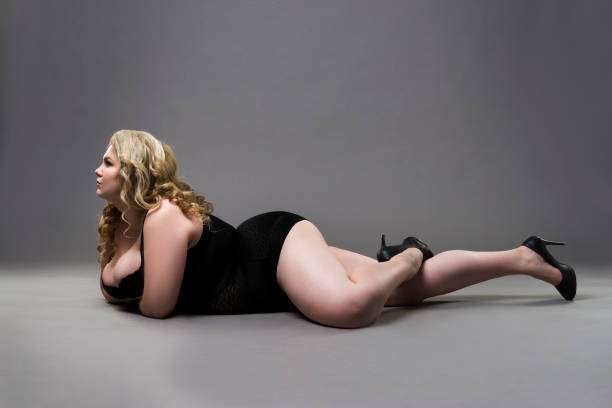
Summarize
Shapewear can offer some assistance for anterior pelvic tilt, providing short-term posture improvement, lower back and abdominal support, and reminders to maintain correct posture. However, it’s not a panacea. True anterior pelvic tilt correction requires exercise, stretching, and core muscle training. Proper use of shapewear combined with scientific training can not only improve posture but also enhance comfort and create a more aesthetically pleasing waistline.
If you’d like to try shapewear to help improve anterior pelvic tilt, we recommend choosing a reliable style with noticeable support for the lower back and abdomen. Click here to see a list of recommended shapewear and find the right one for you, making posture correction easier and safer.