
As fashion and functionality continue to merge, modern women are not only focusing on shaping effects when choosing shapewear but also increasingly emphasizing comfort and a smooth appearance. Wrinkle-resistant design, in particular, has become an important criterion for judging the quality of a piece of shapewear.

What is shapewear’s wrinkle-resistant design?
“Wrinkle-resistant design” refers to the use of specific techniques in fabric selection, structural cutting, and sewing processes to reduce creases and wrinkles that occur during wear. Simply put, it’s about making shapewear look smooth and even while providing shaping, without affecting the overall look.
Traditional often features tight fabrics and complex layers, making it prone to wrinkles during wear. This not only affects appearance but can also cause discomfort. Modern wrinkle-resistant shapewear, on the other hand, balances comfort and aesthetics through material innovation and design optimization.
Core technologies of anti-wrinkle design
1. Fabric selection
Fabric is the primary factor determining the wrinkle resistance of shapewear.
High-elasticity fibers, such as Lycra and spandex, have good resilience and can quickly recover their flatness after stretching.
Composite fabric: Multi-layer composite design, one layer for support and shaping, and another layer for a smooth appearance, effectively reducing wrinkles.
Moisture-wicking material: not only wrinkle-resistant but also enhances wearing comfort.
I once bought a high-elastic spandex shapewear piece. When I first wore it, I was a little worried that it would wrinkle, but after wearing it all day, I found that the fabric was still smooth and was obviously more comfortable than the traditional style.
2. Structural trimming
Sectional cutting: Different elasticity and cutting methods are used for the waist, abdomen, chest, back, and hips to ensure that the parts fit together without creases.
Seamless or minimally woven design: Reduces localized wrinkles caused by seams, resulting in a smoother appearance.
3D tailoring: Tailored to the curves of the human body, it fits snugly without being tight, reducing wrinkles.
When choosing shapewear, I found that three-dimensional cuts don’t wrinkle easily even after sitting for a long time, greatly improving the overall wearing experience.
3. Seaming Technique
Stitching is an important part of shapewear’s wrinkle-resistant design.
Flat stitching: The stitches fit smoothly and evenly against the fabric, reducing raised creases.
Laser cutting or heat sealing technology: avoids the stacking of traditional sutures and improves smoothness.
Local reinforcement: Reinforce areas prone to stretching, such as the waist and shoulders, to prevent wrinkles from accumulating.
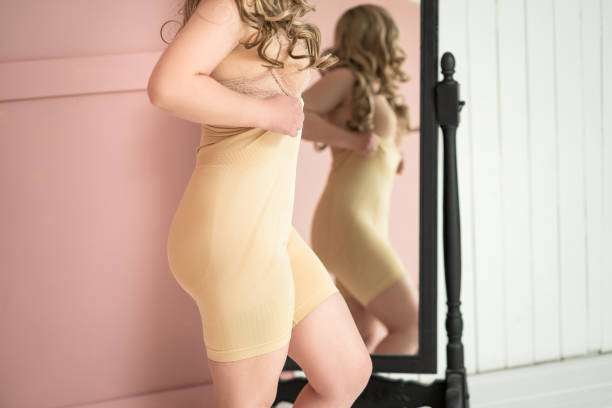
the wrinkle resistance of shapewear in actual wear.
4. Elasticity Distribution and Pressure Design
Progressive compression: By distributing elasticity in different areas, shapewear can tighten curves without wrinkling in key areas.
Elastic band design: Elastic bands are added to the waist, hips, and other areas to help the fabric rebound and keep it flat.
Freedom of movement: Key areas of movement such as the shoulders and armpits maintain appropriate elasticity to avoid creases and a feeling of restriction.
I wear shapewear on weekdays. I’ve noticed that some wrinkle-resistant designs hardly wrinkle even when I frequently stretch my arms or sit down, significantly improving comfort during activities.
shapewear with a good anti-wrinkle effect?
Fabrics with
Good elasticity and quick rebound usually have better wrinkle resistance.
Paying attention to the cutting design,
including zoned cutting and three-dimensional cutting, can reduce wrinkles and improve fit.
Check the stitching details;
Shapewear with flat or heat-sealed seams is generally smoother.
The most direct way to experience the product is to wear it and move around, observing whether the shoulders, waist, and hips wrinkle easily.
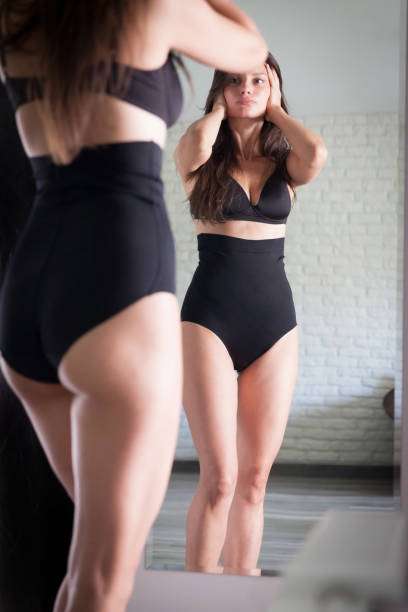
In my personal experience, wrinkle-resistant design not only enhances aesthetics but also reduces the psychological pressure of wearing. Traditional shapewear is prone to creases, especially when sitting for long periods or bending over, which can affect appearance and make it feel tight. Modern wrinkle-resistant fabric, through optimization of fabrics, cuts, and processes, allows for a natural body curve and comfortable wear without affecting the appearance of the garment even after a full day of outings or work.
Daily care and anti-wrinkle effect
Even wrinkle-resistant shapewear requires daily care:
Avoid ironing at high temperatures: High temperatures can damage elastic fibers.
Hand wash or low-temperature machine wash: Reduce fabric fatigue and wrinkles.
Hang it flat to dry: Avoid folding and storing it for too long, which will cause permanent wrinkles.
Avoid scratching with sharp objects: maintain the smooth appearance of the fabric.
Proper care can make the anti-wrinkle effect last longer and extend the lifespan of shapewear.
Summarize
Improve wearing comfort and freedom of movement shapewear that combines shaping and wrinkle resistance, prioritize styles made with high-elastic fabrics, segmented cuts, and flat seams for a more comfortable and natural wearing experience.
Click to view our curated selection of wrinkle-resistant shapewear to achieve beautiful, smooth curves and start shaping comfortably today!