
Shapewear has become an essential item for many women to enhance their figure and accentuate their curves. However, in actual wear, the problem of rolled edges is a common issue: the edges at the waist, back, or legs often roll up, which not only affects the appearance but may also cause discomfort.
shapewear curling from the perspectives of fabric selection, size matching, wearing techniques, and daily care, allowing you to wear it comfortably while maintaining a perfect figure.
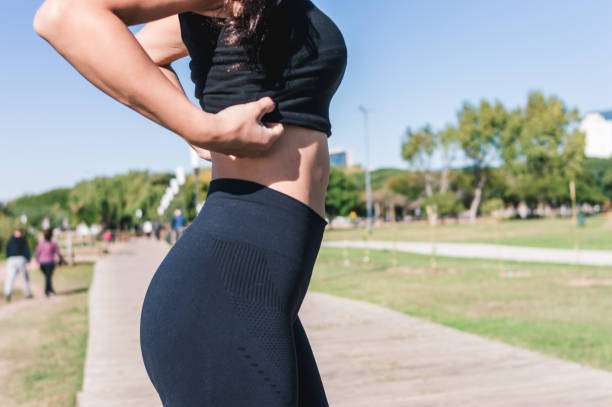
Fabric selection determines the risk of curling edges.
Shapewear made of different fabrics has different elasticity, thickness, and friction, which directly affects the curling of the edges.
1. High elasticity material
High-quality shapewear typically uses nylon and spandex or Lycra fabrics. These materials are elastic and have a certain degree of resilience, allowing them to fit snugly against the body’s curves without easily curling up.
I once bought a pure cotton shapewear piece. It was fine at first, but after a while, the waistband started to roll up, making it uncomfortable all day. Later, I switched to a style with spandex, and the rolling problem was significantly reduced.
2. Fabric thickness and support
Thin: Easily rubbed against the skin, causing the edges to curl.
Moderate thickness: provides both shaping effect and edge stability.
When choosing shapewear, pay attention to the thickness of the fabric at the waist, legs, and hem, especially for styles that need to be worn for extended periods.
Size selection is crucial; sizes that are too tight or too loose are prone to curling.
Many curling issues stem from incorrect sizing:
Overly
Tight shapewear increases stress on the edges, especially around the waist, hips, and upper thighs, making it prone to rolling up or wrinkling during movement.
loose
or too large, the shapewear does not fit the body well enough, the edges are not fixed and supportive, and it is easy to roll up.
When trying it on, stand, sit, and bend over to test it and make sure the edges fit your body without being too tight or too loose.
Wearing tips and tricks to avoid curling hems
Even if the fabric and size are correct, curling can still occur if you don’t pay attention to how you wear it. The following tips are very useful:
1. Segmented threading method
Start by pulling the hem straight up to the waist.
Readjust the chest and shoulders
Smooth it out gradually along the body’s lines
This allows the edges to fit more snugly, reducing the chance of them curling up during activities.
2. Layer auxiliary clothing
shapewear that tends to roll up at the thighs or waist, you can pair it with a pair of lightweight safety shorts or inner shorts to create a supportive fit.
If the back tends to roll up, use a thin bra to increase friction and secure the edges.
3. Adjust your posture during activities.
Prolonged sitting or bending over can increase stress on the edges of shapewear. Moving your body occasionally or briefly smoothing the edges can reduce curling.

Edge design and style selection
shapewear styles on the market, differences in edge design have a significant impact on the curling of the hem:
Wide elastic band
The wide band has even elasticity and is not easy to roll up when it fits the body.
Silicone anti-slip design
Silicone strips are attached to the waist or leg edges to increase friction and keep clothing in place.
Seamless one-piece design
Seamless shapewear is not only comfortable but also prevents edges from folding or curling.
When making a purchase, I suggest paying attention to these details, which are often more practical than simply looking at the fabric thickness.
Washing and daily maintenance
Even if shapewear is worn properly, improper washing and care can cause it to curl at the edges:
Avoid washing at high temperatures: excessive heat will damage the elastic fibers.
Hand wash gently or machine wash on low heat.
Air dry naturally: High-temperature drying can easily cause deformation.
Fold and store: Avoid storing in a rolled-up state for extended periods; keep the garment flat.
I once folded my shapewear unevenly and stored it. The second time I wore it, the edges curled slightly. After I straightened it and let it dry, the problem disappeared.
For areas that are particularly prone to curling, you can try:
Sewing in a support strap: Slightly sew an elastic band into the waist or inner thigh.
Adjust the garment length: If the hem is too short, the rolled-up edges will be more noticeable; choose a slightly longer style.
These methods, though slightly DIY, are remarkably effective.
Summary of everyday tips
Choose a fabric with high elasticity and moderate thickness.
The size is right, allowing for a full range of motion when trying it on.
Segmented dressing style to smooth out body lines
Pay attention to edge design, such as wide side strips or silicone anti-slip material.
Pay attention to temperature and folding method when washing and caring for your child.
By combining the above methods, most of the curling problems can be avoided, greatly improving the wearing experience.
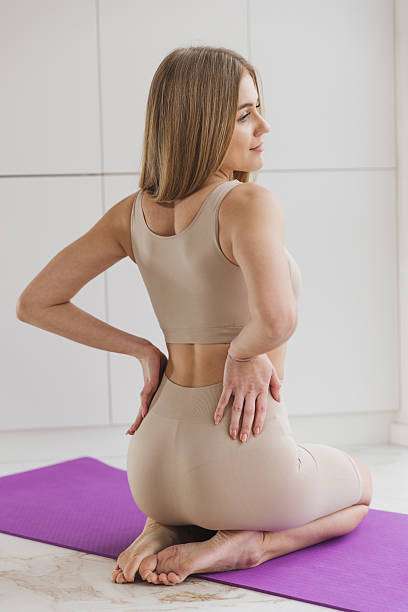
Conclusion:
While rolled edges may seem like a minor issue, they can significantly impact the wearing experience of shapewear. Choosing the right fabric and the correct size, mastering wearing techniques, and proper daily care will allow shapewear to truly deliver its shaping effect while maintaining comfort and style.
shapewear that won’t roll up easily and is comfortable to wear? Visit our store and choose the style that suits you best to achieve a more perfect figure and greater freedom of movement!