
Many people associate shapewear primarily with shaping, flattening the stomach, and enhancing body curves. However, it is actually closely linked to core strength training. Whether it’s daily fitness, yoga, or functional training, wearing shapewear correctly can not only aid in postural control but may also improve training effectiveness. However, improper wear can also lead to risks such as restricted movement or breathing difficulties.
Core strength and the basic concept of shapewear
What is core strength?
Core strength refers to the strength and stability of the abdominal, lower back, pelvic, and hip muscles. Strong core strength supports the spine, maintains balance, improves athletic performance, and reduces the risk of sports injuries.
Functional
Shapewear achieves body tightening and support by compressing the abdominal, waist, and back muscles. It provides a degree of “passive support,” similar to an external stabilizing device, allowing the core muscles to receive additional feedback during exercise.
The principle behind this is that
When wearing shapewear for core training, the pressure from the clothing reminds the body to tighten the abdominal and pelvic areas, thus aiding in proper posture and muscle activation. This is especially helpful for beginners or those with poor posture control.
shapewear on core training
Posture correction and muscle activation
Shapewear provides external support, making it easier for users to maintain a neutral lower back and pelvic position during training.
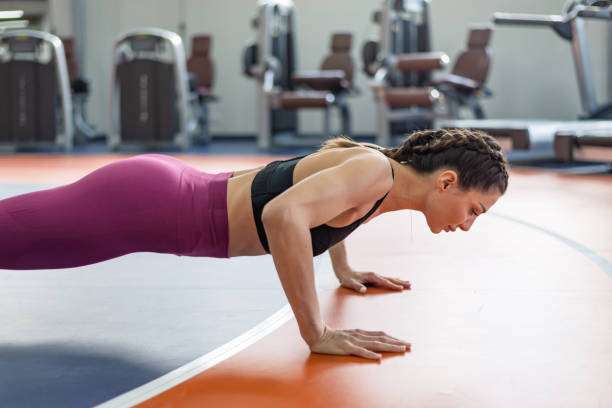
When performing exercises such as crunches and planks, the pressure from clothing reminds the body to tighten the core area and increase muscle engagement.
Posture control and stability improvement
Compression clothing helps keep the core area tight, reducing lower back swaying or excessive bending during training and lowering the risk of injury.
For beginners, wearing these devices can provide “body feedback,” helping them learn the correct way to contract muscles.
Optimization of exercise efficiency
During high-intensity core training, unnecessary abduction or swaying can be slightly restricted to concentrate the force on the target muscle group.
Improve training efficiency.
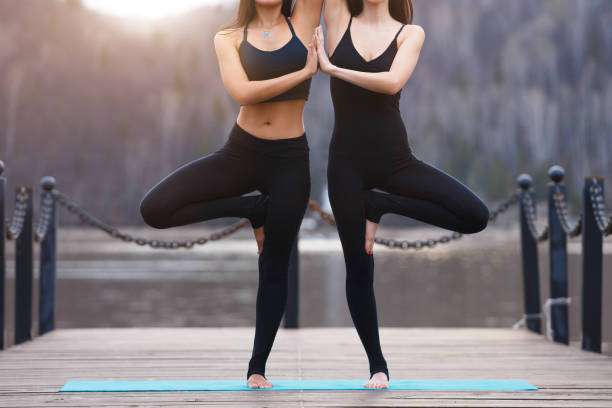
For training programs that require high precision in movements, such as yoga and Pilates, compression clothing helps maintain postural stability.
Precautions for using shapewear
Choose an appropriate compression level
Excessive compression may restrict breathing and diaphragmatic breathing, leading to decreased training efficiency or even dizziness.
shapewear with medium compression, which provides support without hindering movement.
Reasonable wearing time
Wearing it for a short time during core training is sufficient; it is not necessary to wear it all day to avoid muscle groups relying on external support.
Combine with the correct training methods
Shapewear is not a substitute for muscle strength but rather an auxiliary tool.
Core training still needs to incorporate exercises such as crunches, planks, and Russian twists to maintain active muscle contraction.
Pay attention to your breathing.
Maintain even breathing during training, avoid holding your breath for too long due to clothing pressure, and ensure muscle oxygen supply and exercise safety.
Multiple studies have shown that wearing compression garments can improve muscle activation and core stability during exercise.
An experiment targeting beginners found that when wearing medium-compression shapewear for plank exercises, the activation level of the rectus abdominis increased by about 15% compared to when not wearing it.
In real-world cases, core recovery training helps postpartum women quickly build abdominal muscle memory and correct posture.
shapewear in core training
Before training, try on the clothing to ensure it fits snugly but does not restrict breathing, and perform some stretching and posture tests.
Beginners can combine video tutorials or coaching to ensure core engagement and proper form. Core training exercises should be gradually increased in intensity, rather than relying on clothing for support.
After training, remove the shapewear to allow the muscles to contract actively and prevent over-reliance on external support. This can be combined with stretching or relaxation exercises to restore muscle groups.
Choose high-quality shapewear fabrics that are breathable, moderately elastic, evenly compressed, washable, and durable to avoid skin discomfort or abrasion during wear.
Frequently Asked Questions
Does wearing shapewear replace core training?
No, shapewear is just an aid; core strength still needs to be actively trained.
Will wearing shapewear affect my breathing?
High-pressure shapewear may temporarily affect breathing; simply choose a moderate compression level and pay attention to even breathing.
How long should a beginner wait before starting to use it?
It is recommended to wear it only after mastering the basic core training movements in order to avoid relying on clothing for support.
Does wearing shapewear increase abdominal muscle definition?
It can help maintain posture and activate muscle groups, but abdominal muscle definition still requires a combination of training and diet control.
Conclusion
In core strength training, shapewear serves as both a posture aid and a muscle activation reminder. Proper wear can improve training efficiency, reduce injury risk, and help sculpt a more aesthetically pleasing physique. However, it cannot replace active training; the way it’s worn, its compression level, and the duration all need to be scientifically controlled. Combining it with an appropriate core training program will not only help you achieve a more stable physique but also enhance your training results. Have you ever tried wearing shapewear during core training? Feel free to share your experiences and insights in the comments!