
Shapewear, as an auxiliary tool, has gained increasing popularity among fitness enthusiasts in recent years. It not only helps improve posture but also effectively assists core stability, enhancing training performance. Whether for strength training, cardio, yoga, or Pilates, proper pairing can lead to more efficient workouts and a more comfortable training experience. However, many people have misconceptions about how to wear shapewear scientifically.
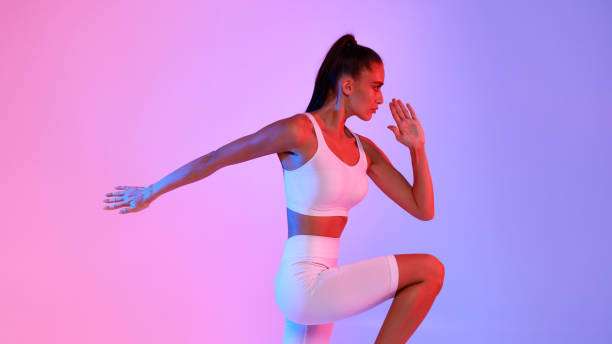
Shapewear: How to help improve fitness results.
1. Core stability and posture improvement
Maintaining good posture is crucial during various fitness exercises. Shapewear helps stabilize the core area through compression and support, reminding users to engage their abdominal muscles and maintain a neutral spine, thereby preventing poor posture during exercise and reducing pressure on the lower back. Especially during strength training exercises such as squats and deadlifts, correct posture can reduce the risk of injury and effectively enhance training results.
2. Improve athletic performance
Its unique design helps muscles connect and activate more tightly. For fitness enthusiasts engaged in aerobic exercise or high-intensity interval training, shapewear effectively reduces body sway and improves movement stability. It reduces unnecessary swinging, helps maintain exercise efficiency, and also makes the training process more comfortable.
3. Shaping and Body Sculpting Effects
While shapewear cannot replace exercise, it can improve posture to some extent through body support, making you look more toned. Especially in the abdominal and waist areas, proper compression design can create a slimmer appearance, boosting your confidence and motivation during strength training.
shapewear according to different training types
1. Aerobic exercise: Choose lightweight, breathable designs.
Aerobic exercises such as running, cycling, and swimming require a high degree of freedom of movement. When engaging in these activities, choosing lightweight and breathable is crucial. In these cases, it’s essential to select well-designed clothing with a moderate fit to avoid discomfort during exercise. For example, when running, shapewear that doesn’t restrict breathing and allows for free movement will help improve your running efficiency.
2. Strength training: Improve core stability
Core stability is crucial during strength training, especially when performing heavy exercises like squats, bench presses, and deadlifts. Choose a device with medium to high compression that effectively supports the abdominal, lower back, and back areas. By enhancing core stability, you can maintain proper posture, reduce spinal strain, and decrease the risk of sports injuries.
3. Yoga and Pilates: Increase comfort and flexibility
Yoga and Pilates emphasize stretching and flexibility, so wearing soft, stretchy is essential when performing these low-intensity exercises. Overly tight clothing can restrict movement and breathing, while suitable can enhance your body awareness, improve the flow of your workout, and help you maintain comfort and stability.
4. High-Intensity Interval Training (HIIT): Comprehensive Support and Comfort
High-intensity interval training (HIIT) typically involves performing multiple repetitive movements in a short period of time at a high intensity. Therefore, it’s essential to choose highly elastic and breathable shapewear. This provides core support without hindering range of motion, helping you stay comfortable during rapid, explosive movements, and reducing muscle fatigue through effective compression.
How to scientifically select and match shapewear
1. Choose the appropriate material
Material is crucial to the comfort of shapewear. Different materials used in shapewear have different characteristics:
Cotton or natural fibers: Suitable for daily low-intensity training, soft and comfortable, breathable, and suitable for gentle exercise.
Nylon/spandex blend: Suitable for medium- to high-intensity training, with good elasticity and support, suitable for strength training and high-intensity exercise.
Cooling fabric: Suitable for summer use, it is breathable and heat-dissipating, helping to keep you dry during exercise.
2. Selection of Compression Ratio
Light compression: Suitable for light daily exercise or leisure activities, providing some body support without compressing muscles, suitable for posture improvement wear.
Moderate compression: Suitable for strength training and aerobic exercise, enhances core support, helps reduce stress during training, and is suitable for most people.
High compression: Suitable for high-intensity interval training (HIIT) and long-term athletes, providing maximum stability and support for the body.
3. Choose the appropriate size
Properly sized shapewear is essential for its effectiveness. Wearing it too tightly may restrict breathing or impair athletic performance; wearing it too loosely will fail to provide necessary support. When purchasing, choose the appropriate size based on your body type and fitness needs to ensure comfort and effectiveness during exercise.
Frequently Asked Questions
1. Do I need to wear it for training every day?
It doesn’t need to be worn every day; its purpose is to provide extra core stability and postural support when needed. It works best during strength training or high-intensity cardio.
2. Will shapewear affect the normal exertion of muscles?
High compression can put pressure on muscles to some extent, but if worn properly, it can actually help stabilize muscles and reduce unnecessary swaying during exercise. Choosing the right level of compression can minimize discomfort.
Does wearing shapewear lead to over-reliance?
No. When used properly, shapewear can serve as a training aid, helping you maintain good posture and core stability during exercise. However, it does not replace active core training; you still need to strengthen your muscles through regular fitness activities.
4. How to clean it?
Depending on the material of the shapewear, it’s best to hand wash it with a mild detergent. Avoid using strong bleach or high temperatures, as these can damage the garment’s elasticity and compressibility. Regular washing helps maintain the lifespan of your shapewear.
Conclusion:
A scientifically chosen combination of shapewear and a regular fitness routine can not only improve training results but also help you maintain correct posture, reduce sports injuries, and boost confidence. Whether you’re doing strength training, yoga, or cardio, choosing the right shapewear can make your workout more comfortable and efficient. By selecting the right materials, compression levels, and wearing duration, you can maximize the supportive effects of shapewear and help yourself achieve your ideal training results. Hopefully, this article will provide some valuable advice for your fitness journey!