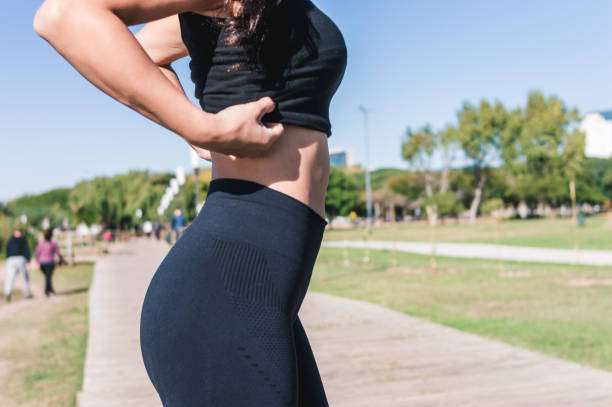
Many people have similar questions after using
shapewear for a period of time: the wrapping feeling is obvious when you first start wearing it, but the support and shaping effect become weaker and weaker over time.
This situation is generally referred to as “stress failure.”
However, stress failure of shapewear is not caused by a single reason but is the result of the combined effects of materials, structure, usage, and changes in the body.
Simply attributing it to “poor quality” or “wearing it for too long” often overlooks the key factors that truly affect the lifespan and performance of shapewear.
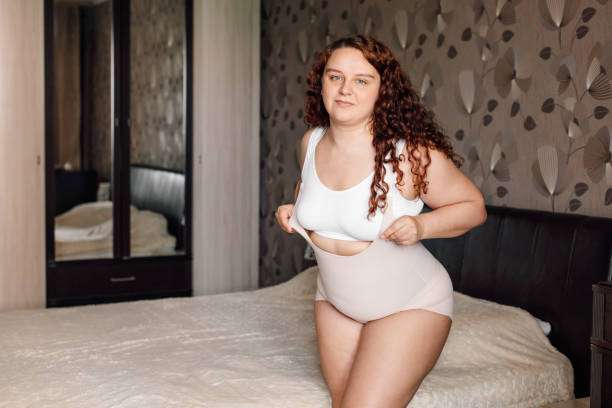
What is “stress failure” in shapewear?
The term “stress failure” does not mean that shapewear is completely unwearable, but rather that:
The wrapping force on the core area has significantly decreased.
The original tightness has become loose.
There is no longer noticeable support feedback when wearing it.
The shaping effect has been reduced, but the garment itself is not damaged.
From a functional perspective, the core value of shapewear lies in its continuous, stable, and controllable pressure distribution.
Once this pressure cannot be maintained, its functionality is compromised.
Material fatigue: the most common yet most easily overlooked cause
Shapewear mostly relies on highly elastic fibers (such as spandex and Lycra) to achieve pressure output.
These materials are characterized by high elasticity, but not “permanent elasticity.”
1. Natural aging of elastic fibers
During the repeated stretching and retraction process:
The fiber’s molecular structure gradually relaxes
Slower rebound speed
The original tension limit was reduced
This is why the same shapewear can feel tight when worn initially but become noticeably softer later on.
2. The effects of high temperature and improper cleaning
Frequent washing and drying with hot water will accelerate the aging of elastic materials.
Even if the exterior appears intact, the internal elastic structure may have already changed.
Poor structural design makes the pressure more prone to “premature failure.”
Not all stress in shapewear comes from the material itself; structural design is equally crucial.
1. Single-point stress leads to localized fatigue.
Some shapewear, in pursuit of immediate results, applies concentrated pressure to the waist, abdomen, or sides.
While it provides noticeable shaping in the short term, its long-term effects are less desirable.
Localized areas subjected to excessive stretching
Elasticity decays faster
Overall pressure imbalance
The result is that some areas are noticeably loose, while other areas remain tight, leading to a decreased wearing experience.
2. The Influence of Seam Threads and Joining Methods
Insufficient stitch density or improper splicing angles can lead to uneven pressure distribution.
This type of shapewear often performs well initially but has poor stability.
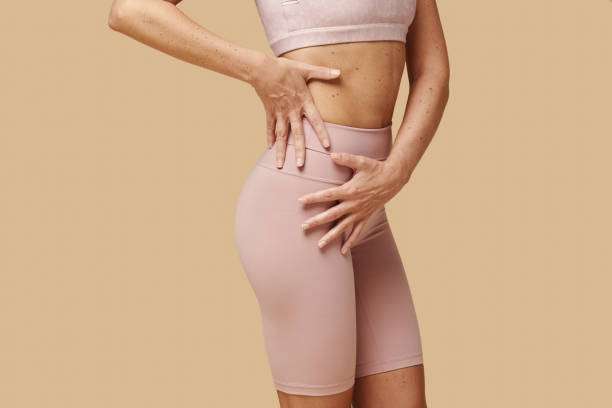
Choosing the wrong size is an “accelerator” of pressure failure.
Many pressure problems with shapewear are actually the seeds of future issues sown from the moment of purchase.
1. Size too small
Shapewear that is too small will keep the elastic fibers under extreme tension for a long time.
The elastic decay rate is significantly accelerated.
Pressure concentrated in local areas
Wearing uncomfortable clothing can actually negatively impact your physical condition.
2. Size too large
If the size is too large, it cannot form effective pressure, and even if the material and structure are good, it will be difficult to play a shaping role.
Truly stable shapewear pressure comes from sustainable stretching within a reasonable size, rather than the tight feeling of forcing yourself to “squeeze in.”
Changes in physical condition can also affect the effective compression of shapewear.
Shapewear is not a tool with “fixed parameters.”
When the body’s condition changes, the originally appropriate pressure distribution may be disrupted.
weight change
Changes in muscle firmness
Core strength increased or decreased
Changes in daily activity levels
These factors can all affect the fit of the body, making people feel that “the pressure is not as noticeable as before.”
Frequency of use and wearing style also determine lifespan.
Even high-quality shapewear can fail under pressure more quickly if used improperly.
Frequently asked questions include:
Wearing it continuously for extended periods of time gives the fibers almost no time to recover.
Putting on and taking off too forcefully
Insufficient rotation of multiple items, excessive frequency of use of a single item
Elastic materials need “rest” to recover their tension.
Prolonged, high-frequency use without replacement is a hidden cause of rapid pressure decay in many cases.
How can I determine if shapewear has truly become ineffective?
Not all instances of “feeling less tight” mean that shapewear has completely failed.
The following aspects can be used to determine this:
Does it still provide a clear sense of support after wearing?
Can it still improve standing posture or core stability?
Is it necessary to frequently adjust the position?
Does the change in appearance decrease significantly after wearing it?
If it’s just a matter of “getting used to the pressure” rather than structural relaxation, then the problem may not lie with the shapewear itself.
FAQ:
Q1: How long does it usually take for the pressure to drop?
It depends on the material, frequency of use, and care method. If used properly, it can last for a longer period of time.
Q2: Can I still wear it after the pressure loss?
Yes, you can, but the shaping and support effects will be significantly reduced.
Q3: Does the washing method really have such a big impact?
Yes, improper washing is one of the important reasons for accelerating the loss of elasticity in shapewear.
Q4: Is it necessary to rotate your wear?
Absolutely, it helps extend the effective pressure cycle of each shapewear piece.
Q5: Is more pressure always better?
No. Stable, even, and sustainable pressure is far more important than simply being “tight.”
Conclusion:
Shapewear is not a sudden problem but rather the result of long-term accumulation.
Understanding the relationship between materials, structure, and usage is essential to truly realizing the value of shapewear.
Shapewear with a reasonable structure, stable materials, and scientific sizing, along with proper wearing and care, ensures that every bit of stress is used where it’s truly needed.