
Let’s face it: when you first put on shapewear, your goal is clear—to instantly shrink your waist, make skirts fit better, and make your figure look more perfect in the mirror. Its instant shaping effect is unparalleled.
However, if shapewear is only used to change one’s appearance, then you are wasting its enormous potential in lifestyle transformation.
Many people struggle with binge eating habits, often related to emotional stress or eating speed. Have you ever considered that the tight-fitting clothing that gives you confidence could actually be your most reliable tool for managing your diet?
How does shapewear achieve a slight contraction of the stomach?
This isn’t magic; it’s simply a combination of physics and psychology. It involves physical cues in the stomach and satiety signals in the brain.
A well-fitting garment with just the right amount of tightness applies a continuous, gentle external pressure to your abdomen. It won’t cause pain like a traditional corset, but its presence is definitely noticeable.
Physical occupancy: This pressure provides a physical cue, making your abdominal cavity feel slightly “occupied” at any time.
Accelerated Signaling: When you start eating, your stomach is just beginning to expand, and the external pressure of the shapewear makes you more sensitive to this expansion. This early sensitivity sends the signal “I might be full” to the brain more quickly, subconsciously making you tend to eat less.
Health Warning: Risk of Uncontrolled Tightness We need to emphasize a key premise: this positive effect must be based on a slight restriction of the stomach. If the shapewear you choose is too tight, it will have the opposite effect.
Physiological damage: Excessive tension can compress your internal organs, interfere with normal blood circulation and digestion, and may lead to indigestion, chest tightness, or even acid reflux.
Psychological backlash: Discomfort will make you painfully stop wearing it and may trigger compensatory overeating, causing your diet management to completely fail.
The key is to find the right tightness in shapewear so that it becomes a gentle reminder rather than a punitive constraint.
Use shapewear to end binge eating
Simply wearing it isn’t enough. You need to integrate its physical cues into your daily routine to truly curb overeating.
Reinventing the table ritual: an accelerator for slow eating. Imagine you’re at a buffet or family gathering—a hotspot for overeating.
First feel, then act: Before sitting down to eat, take a deep breath and feel the shapewear supporting and tightening your core. Set this feeling as your meal start signal.
Benefits: The pressure of shapewear makes you more sensitive to changes in your stomach after eating. You’ll unconsciously eat slower. When you slow down, your brain has enough time to process satiety signals (usually about 20 minutes), effectively preventing you from stuffing yourself before your body truly needs it.
A buffer against emotional eating: Many cases of binge eating are not due to physiological hunger, but rather to emotional triggers that create a conscious connection. Shapewear provides a continuous anchor point for bodily awareness. When you feel stress and your hand unconsciously reaches for snacks, the tightness of the shapewear immediately pulls your attention back to your body.
It prevents impulses: it acts as a thought buffer between emotional impulses and actual actions. It reminds you, “I’m trying to manage my diet right now, and I’m going to take a deep breath instead of eating this bag of chips.”
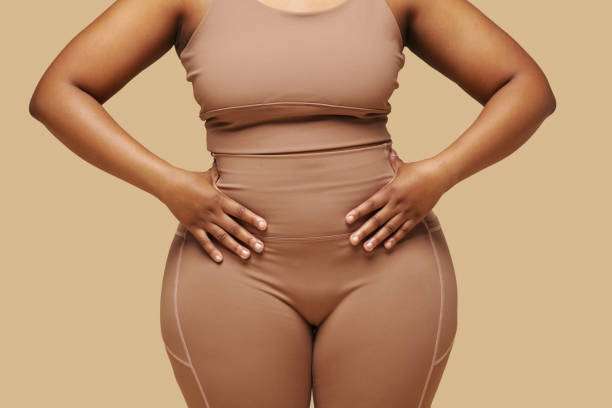
Posture awareness: comprehensive management from food to posture.
Shapewear has a built-in posture-improving function, helping you maintain an upright posture at all times. This heightened awareness will then influence your diet management.
Posture and Digestion: When you maintain good standing or sitting posture, your core muscles are more activated, which not only helps with digestion but also further tightens your abdomen.
A virtuous cycle: You’ll find yourself more inclined to choose foods that keep you feeling light and upright (like salads and vegetables) rather than fast food that makes you feel sluggish and bloated. Your shapewear is subtly optimizing your lifestyle choices.
Practical Tips: Optimize Your Shapewear Diet
To make an effective ally in your diet management, you need to follow some key lifestyle recommendations:
Water-first strategy: Staying well-hydrated is crucial when wearing shapewear. Drinking water increases satiety without adding external pressure, creating a powerful synergy with the mild stomach-binding effect.
Strictly control wearing time: Do not treat shapewear as a 24/7 constraint. Adhere to the principle of wearing it for no more than 8 hours a day, and be sure to remove it after dinner. Your digestive system needs time to relax, digest, and repair itself.
Listen to your body’s feedback: If you experience chest tightness, nausea, or difficulty breathing while eating, loosen or change your immediately. This indicates that your tightness has exceeded the healthy limits of mild gastric binding.
Summary and Conclusion: Consider shapewear as your health ally
Shapewear can never replace a balanced diet and regular exercise. However, if you are struggling with overeating and impulse eating, it can be a powerful tool in your arsenal.
Have you noticed that shapewear helps with your emotional eating habits? Share your shapewear lifestyle tips and tricks in the comments!