
For decades, shapewear has served one purpose—from the corsets of the past to today’s seamless compression garments—within a single context: to sculpt the body into a “socially acceptable” silhouette.
However, in an era that advocates for body positivity and body neutrality, this seemingly simple underwear has become a cultural hot potato. Can modern shapewear truly empower wearers by boosting confidence and improving style? Or is it subtly reinforcing outdated aesthetic standards, becoming a hidden constraint?
Ideological Differences: Acceptance and Change
The core controversy between body positivity and oppression lies in the conflict between the concept of self-acceptance and the physical function of clothing.
BP commented, “True self-acceptance means appreciating your body as it is, not making any changes.” Critics argue that wearing shapewear implies the wearer feels they are not naturally fit enough or need “correction.”
Empowerment Defense: Many people view shapewear as a practical fashion tool, much like bespoke clothing or cosmetics. It can address issues such as visible panty lines (VPL) or ensure a smooth drape for clothing. The resulting boost in confidence stems from achieving a perfect fit, not from body shaming.
Is this reshaping or simply smoothing the fabric? Modern light-to-moderate shapewear rarely makes significant changes to the body; its main function is to smooth and refine the figure.
The key difference lies in whether you want your body to fit perfectly into the clothes or simply for the clothes to better conform to your body. For many, shapewear allows them to easily rock stylish, form-fitting clothing and express their personal style.
Shapewear Empowers Women: Reasons for Choosing It
Beyond the mirror, the functional benefits of shapewear: for those who accept shapewear, its value lies in practicality and control, not vanity.
Solving your outfit dilemma: If a formal dress or a fitted skirt requires absolute smoothness to achieve a perfect look, it is the most direct solution. Increased confidence comes from the peace of mind and self-assurance you feel when wearing the complete outfit.
Medical and physical support: This is crucial. Postpartum shapewear (such as corsets) is often recommended by doctors for core muscle stabilization and to promote postpartum recovery. More robust shapewear can also provide necessary back support and improve posture during prolonged activity.
Bodily autonomy: In an era of personal choice, what underwear to wear should be entirely a personal matter. Choosing shapewear can be an expression of self-care, ensuring comfort and stability throughout the day.
High-risk attire: Consider a wedding as an example. The structure, weight, and fit of a custom-made wedding dress typically require stable and supportive support. Wearing full-body shapewear isn’t about self-criticism but rather about better controlling the dress’s structure and ensuring the bride’s safety and comfort throughout the hours of her wedding day.
My friend used a medium-strength shapewear to eliminate bra lines under her wedding dress, ensuring a flawless look so she could fully enjoy her wedding—a woman’s right to choose freely.
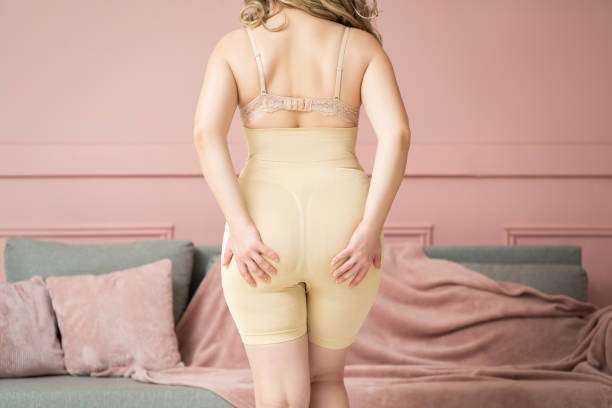
The Dark Side: Social Pressure and Restrictions
Despite positive feedback from wearers, the industry remains closely associated with the ideal body shape: a flat waist and smooth curves.
Erasing Natural Features: Many marketing campaigns focus on “erasing” or “hiding” normal body features—such as excess fat, loose skin, or dimples. This constant visual message subtly reinforces the idea that natural differences are flaws that need to be corrected.
Physiological and psychological constraints: Wearing overly tight clothing for extended periods restricts breathing, causes discomfort, and hinders blood circulation. This physiological constraint powerfully metaphorically represents the psychological constraint imposed by unattainable aesthetic standards.
The body acceptance movement, which seeks body neutrality, aims to decouple self-worth from appearance. Critics warn that even if shapewear is worn voluntarily, it is a choice made within a cultural context that profits from body anxiety.
The ideal state of the body is neutral: emphasizing function rather than appearance. In this state, people can wear according to their own preferences, whether for comfort or fashion, but should never feel that they must wear shapewear to be seen or accepted.
Conclusion: Shapewear is a mirror of intention.
Shapewear is fundamentally an ethically neutral tool. Its effect—whether empowering or restrictive—depends on the wearer’s intentions and cultural context.
If you wear it to feel good, not because you’re ashamed of your body, then it boosts your confidence and has a positive effect. But if you feel you can’t leave the house without it, it might indicate that you’re being limited by external pressures.
The true victory of body acceptance lies in the freedom of choice—praise the natural body, and also praise those who choose to wear for their own reasons.
Summarize:
Whether you need targeted tummy control, smoothed thigh lines, or powerful postoperative support, we prioritize comfort, functionality, and a snug fit, covering all pressure levels. Don’t choose shapewear that restricts you—choose shapewear that showcases your unique style!