
In recent years, shapewear has become increasingly popular among women. It’s not only seen as a tool to improve body shape, but some have also suggested that it can support the lower back. Many people are concerned about whether wearing shapewear can truly protect lower back health. Today, we’ll explore this question from a scientific perspective, based on user experience and precautions.
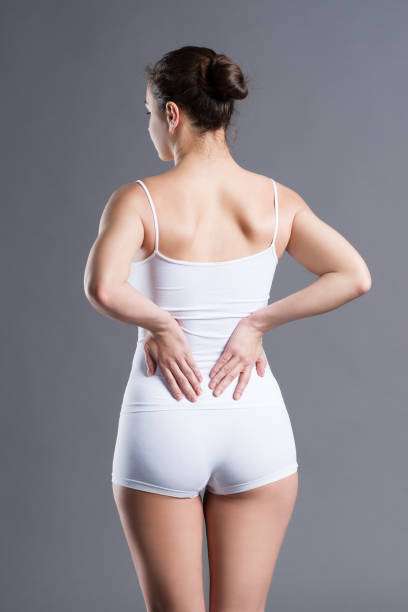
Design Principles
Shapewear typically consists of elastic fabric and a reinforcing support structure, and its main function is
Tighten abdomen and waist
The elastic material can create slight pressure on the waist and abdomen, making the body curves firmer.
The body-shaping
Back support design can improve posture to some extent and make the waistline more defined.
By compressing the abdominal muscles, shapewear can increase core stability.
allowing the lower back to maintain a certain level of stability when standing or moving, thereby indirectly reducing the burden on the lumbar spine.
From a physical perspective, shapewear provides external support, similar to a lightweight lumbar support belt, but its primary purpose remains shaping rather than medical-grade lumbar protection.
Support and limitations of scientific research
Currently, there is limited research on the effectiveness of shapewear for supporting the waist, but some conclusions can be drawn from related fields:
on the positive effects of posture
show that external support that provides mild compression to the lower back can improve sitting and standing posture and help reduce lower back fatigue caused by prolonged sitting.
I used shapewear in the office for a long time and found that it significantly reduced my lower back pain when I sat for long periods of time. This effect is similar to that of a lightweight lumbar support belt.
Activating the core muscles and applying
Moderate pressure to the abdomen helps to stimulate the core muscles, thus reminding the user to keep their back straight.
For example, some postpartum women naturally pull in their stomachs and straighten their chests when wearing shapewear, reducing the burden on their lumbar spine.
limitation
Shapewear offers limited support and cannot replace the role of a professional lumbar support belt in heavy lifting, exercise, or lumbar spine rehabilitation.
Over-reliance on external support for extended periods can lead to decreased lower back muscle strength, as it reduces the muscles’ opportunities to exert force on their own.
From a scientific perspective, shapewear can provide auxiliary support during light daily activities, but it is not the same as a medical lumbar support belt, nor can it be used alone for the rehabilitation of lumbar diseases.
Actual experience with shapewear waist support
In my actual use, I found the following points to be very noteworthy:
everyday wear
Shapewear in the office or during daily activities helps stabilize the lower back and reduces back pain from prolonged sitting.
Be careful not to wear clothes that are too tight; otherwise, it will affect breathing and blood circulation.
Postpartum recovery
Shapewear can help to gently tighten the abdomen and waist, allowing the waist posture to return to a more natural state.
A friend of mine used shapewear for two weeks after giving birth, and her back straightness improved significantly, but she still needed to combine it with core training.
Sports assist
For low-intensity exercise, shapewear can remind the body to stay upright, but for high-intensity exercise, it is still recommended to use a professional lumbar support belt.
In summary, shapewear is effective in providing mild support and posture correction, but it is not a professional tool for treating lower back pain or protecting the lower back from heavy loads.
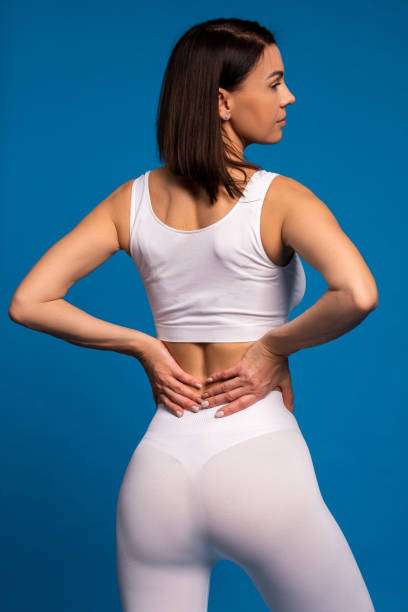
Choosing the right shapewear for your lower back
To maximize the waist support effect of shapewear, you can refer to the following tips:
Choose highly elastic and breathable materials.
It should be elastic and supportive while ensuring breathability to avoid discomfort caused by prolonged wear.
Pay attention to size and fit.
Too tight will compress the lower back, while too loose will lose its support.
You can refer to parameters such as height and waist circumference when purchasing and try them on first.
Combine with daily exercise
Shapewear can be used as an auxiliary tool, but core muscle training is the fundamental way to protect your lower back.
Simple exercises such as planks and cat-cow stretches can strengthen the muscles in the lower back.
Control wearing time
It is recommended to wear it for no more than 6-8 hours a day.
Remove shapewear at night or during long periods of rest to allow your lower back muscles to relax naturally.
Precautions and Risk Warnings
Avoid
over-reliance on shapewear support, as this may lead to a decrease in lower back muscle strength.
with lumbar
Spine disorders or other specific lumbar problems should consult a doctor before using shapewear.
Avoid excessive
pressure, as it may affect internal organs and blood circulation and even cause lower back discomfort.
Pay attention to material safety
Choose non-irritating, breathable materials to avoid skin allergies.
Frequently Asked Questions (FAQ)
Q1: Can I wear it for a long time?
A: It is not recommended to wear it for more than 6-8 hours, as it may affect blood circulation and muscle strength.
Q2: Can it relieve lower back pain?
A: It can improve mild lower back pain, but its effect is limited for chronic lumbar spondylosis or severe lower back pain, and professional treatment is still required.
Q3: How long after childbirth can I wear shapewear?
A: It is recommended to start wearing 4-6 weeks after childbirth, depending on individual physical condition and doctor’s advice, to avoid compressing the abdomen.
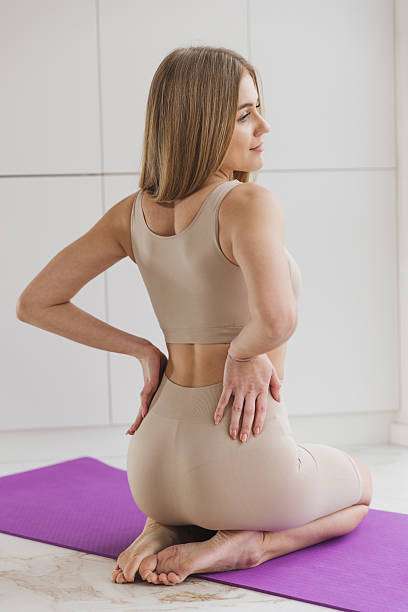
Summarize
In summary, shapewear can play the following roles in supporting the lower back:
Light support: Provides some lumbar stability through compression and fit.
Posture improvement: Remind your back to stay naturally upright to reduce lower back pain caused by prolonged sitting.
Postpartum support helps the waist and abdomen regain their natural curves but requires the combination of core training.
Scientific evidence shows that shapewear is an auxiliary tool for supporting the lower back, suitable for light daily activities and posture correction, but it cannot replace a professional lower back support belt or medical intervention. Proper wearing and combination with exercise are essential to achieve the desired lower back support.